Fashion Development & Apparel Manufacturing Insights
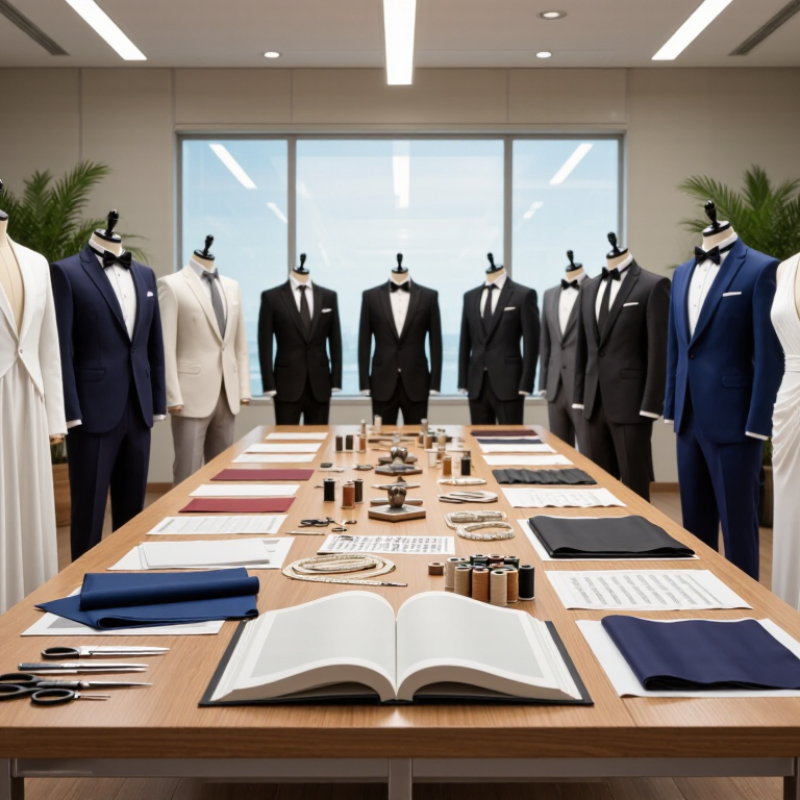
Choosing a formalwear supplier is not just a matter of comparing polished product photos. Buyers need consistent fit, clean finishing, reliable sampling, and clear communication when specifications change. In Formalwear apparel manufacturing, small details matter: the drape of a jacket sleeve, the balance of a trouser waistband, and the way a lining moves under stage lights. Designer Giorgio Armani is widely quoted as saying, “The difference between style and fashion is quality.” That idea is especially relevant when garments must look refined across repeated production runs.
This guide introduces 10 formalwear apparel manufacturers for global buyers, with attention to product capabilities, customization, order flexibility, and quality processes. It is designed to help readers ask sharper questions, not to replace factory checks or sample reviews. A shortlist is not an audit. Buyers should verify current certifications, lead times, fabric options, and production capacity directly with each supplier. Even a strong manufacturer may not suit every brand. One factory might excel at structured tuxedos but offer limited options for lightweight occasionwear. Another may welcome smaller orders yet need more time for complex embroidery. Those trade-offs deserve attention. Supplier claims can sound similar, and public information may not show how a factory handles a difficult fit correction or a delayed fabric shipment. That gap matters. The right partner is the one whose documented capabilities match a buyer’s needs, budget, and standards—not simply the one with the most impressive catalog.
How Formalwear Manufacturing Serves Global Buyers
Formalwear manufacturing serves global buyers by turning design intent into garments that fit different markets, climates, and retail needs. A useful factory partner can work from clear measurement charts, fabric specifications, and construction notes. For example, a buyer may request lightweight lining for a warm region, reinforced trouser seams, or several jacket lengths. These details affect comfort and repeat orders. Small details matter.
Reliable production depends on communication at each stage. Buyers can review fabric swatches, sample garments, size grading, and pre-shipment inspection records before confirming bulk orders. A sample should be tested while sitting, reaching, and moving—not just viewed on a hanger. Fit varies by market. Even careful charts may miss a local preference, so feedback from wear tests should guide revisions. Timelines also need realistic allowance for sampling and material availability; rushing can create avoidable inconsistencies.
Tips: Share a complete tech pack and target delivery window early. Ask how measurements are checked across sizes, and request photos of key quality checks. Keep written approval records for fabric, color, and fit. One lesson buyers sometimes learn late: a polished sample does not guarantee every bulk garment will feel identical, so define acceptable tolerances before production.
10 Best Formalwear Apparel Manufacturers for Global Buyers - How Formalwear Manufacturing Serves Global Buyers
This capability-based comparison covers common formalwear manufacturing specialties rather than naming or ranking individual companies. Product options depend on factory equipment, materials, order specifications, and quality requirements.
| No. | Manufacturer Capability | Typical Formalwear Products | Relevant Manufacturing Details | Global Buyer Considerations |
|---|---|---|---|---|
| 1 | Men’s tailored suiting | Two-piece and three-piece suits, suit jackets, and matching trousers | Requires coordinated pattern making, precise fitting, structured assembly, and consistent fabric and trim sourcing. | Confirm size grading, fit samples, fabric shrinkage testing, and consistency between jacket and trouser production. |
| 2 | Tuxedo and eveningwear tailoring | Tuxedos, dinner jackets, formal trousers, and coordinating waistcoats | Often uses satin or grosgrain lapel facings, formal closures, and carefully matched components. | Review lapel shape, sheen and color matching, button placement, and the finished garment’s appearance under different lighting. |
| 3 | Blazer and sport-coat production | Business blazers, dress jackets, and coordinated separates | Construction can range from lightly structured to more tailored, with different interlinings and shoulder treatments. | Specify intended use, desired structure, lining details, and whether jackets must coordinate with separately ordered trousers. |
| 4 | Formal trouser manufacturing | Suit trousers, tuxedo trousers, dress pants, and formal separates | Key details include waistband construction, pocket design, crease finishing, hems, and side-seam accuracy. | Check waist and rise measurements across the size range and provide clear requirements for hem allowance and finishing. |
| 5 | Dress-shirt manufacturing | Business shirts, tuxedo shirts, pleated-front shirts, and formal shirts | Production involves collar and cuff construction, placket finishing, button attachment, and precise measurement control. | Approve collar shape, cuff style, fabric opacity, button specifications, and garment measurements before bulk production. |
| 6 | Waistcoat and vest production | Suit waistcoats, tuxedo vests, and formal layering pieces | Common details include front and back fabric coordination, lining, adjustable back straps, and functional pockets. | Confirm how the waistcoat is intended to fit with the matching jacket and trousers, especially for coordinated sets. |
| 7 | Women’s tailored suiting | Women’s suits, tailored jackets, dress trousers, and skirts | Requires patterns and grading developed for the intended fit, with choices in shaping, lining, and jacket structure. | Request fit samples across relevant body types and review size charts, grading rules, and fit-block ownership. |
| 8 | Formal dress and occasionwear production | Evening dresses, cocktail dresses, and formal separates | May involve delicate fabrics, lining, darts, pleats, decorative trims, or specialist finishing methods. | Test fabric handling and colorfastness, and approve embellishment placement and care-label instructions on samples. |
| 9 | Corporate and ceremonial formalwear | Hospitality uniforms, ceremonial garments, and coordinated staff attire | Often requires repeatable specifications, consistent color matching, and options for embroidery or other identification. | Agree on approved color standards, logo artwork, replenishment specifications, and garment testing appropriate to the end use. |
| 10 | Private-label, multi-category production | Coordinated collections spanning suits, shirts, trousers, dresses, or accessories | Can combine product development, sampling, labeling, packaging, and production planning across multiple garment types. | Check category-specific expertise, sample approval procedures, documentation capability, and quality controls for each product line. |
FAQS
Share a tech pack, size chart, fabric details, and target delivery window. Clear notes reduce guesswork, though they cannot prevent every misunderstanding.
Wear it while sitting, reaching, and walking. Check shoulder balance, button placement, and whether the lining pulls. A hanger tells little.
No. Ask how measurements and fabric shades are checked across the production run. Set acceptable tolerances in writing; this detail is easy to miss.
Compare minimum quantities, customization, timelines, inspection steps, and communication. A low quote can look less attractive when revisions take weeks.
Request samples similar to your garment, such as structured jackets or lightweight evening dresses. Check seams, closures, and how each piece holds its shape.
Request dated photos of cutting and final inspection. Ask who records defects and how pattern adjustments are handled. Specific answers help.
Review the size grading and collect wear-test feedback from local users. Fit varies, and a careful chart may still miss a preference.
Discuss packaging, shipping estimates, material availability, and peak-season capacity before committing. Leave time for sampling. Rushing can create uneven results.
Conclusion
Formalwear apparel manufacturing supports global buyers by turning design concepts into polished garments suited to different markets, order volumes, and customer expectations. Choosing a supplier involves more than comparing prices: buyers should assess product expertise, production capacity, quality control, communication, lead times, and the ability to handle sampling and customization. A clear evaluation process helps reduce sourcing uncertainty and build a dependable supply relationship.
The ten leading manufacturer profiles in this guide offer a framework for comparing suppliers without assuming that one option fits every business. Key capabilities to review include fabric and trim sourcing, pattern development, fit consistency, finishing standards, and order flexibility. By weighing these factors against their own product range, target customers, budget, and delivery needs, buyers can identify a manufacturing partner that aligns with their sourcing priorities and supports long-term growth.