High End Dress Manufacturing: The Global Sourcing & Technical Engineering Blueprint
Mastering couture-level pattern drafting, delicate fabric tension management, ethical small-batch production, and digital sample validation. A comprehensive guide for luxury apparel brands and global procurement directors.
Redefining High End Dress Manufacturing Through Precision & Ethics
In the global fashion industry, high end dress manufacturing represents the ultimate test of an apparel factory’s technical sophistication. Unlike basic streetwear or commodity knits, luxury dress creation demands an extraordinary synthesis of artisanal draping, mathematical pattern accuracy, complex internal architecture, and uncompromising material handling. A millimeter's deviation in grainline tension on a double-faced silk satin slip dress can ruin an entire production run.
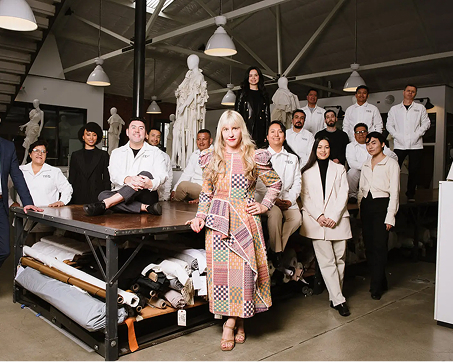
For over 20 years, The Evans Group (TEG) has served as the operational backbone for emerging fashion pioneers and established global fashion houses. Founded in 2005 by visionary entrepreneur Jennifer Evans, our Los Angeles atelier was built to challenge the opaque, exploitative norms of mass offshore manufacturing. Operating out of the vibrant Arts District of Downtown Los Angeles, TEG provides a fully integrated ecosystem where creative vision is translated into flawless, production-ready luxury garments.
"High-end dress manufacturing is not merely sewing pieces together; it is structural engineering for the human form. Our master patternmakers average over 25 years of luxury couture experience, ensuring that complex internal boning, delicate bias cuts, and intricate silk linings sit perfectly without distortion."
By maintaining complete vertical control—encompassing creative design consulting, sustainable fabric sourcing, 3D pattern development, precision sample making, and ethical cut-and-sew production—TEG eliminates the miscommunication and costly re-sampling cycles that plague global supply chains.
High-End Dress Categories & Technical Manufacturing Specifications
Luxury dress procurement requires precise matching between design intent and manufacturing methodologies. Below is an authoritative breakdown of core high-end dress categories produced at TEG, detailing the technical specs, fabric requirements, and specialized finishing techniques mandatory for luxury retail validation.
Couture Eveningwear & Red Carpet Gowns
Engineered with internal waist tapes, spiraled steel boning, hand-appliquéd Guipure lace, and multi-layered silk tulle. Requires precision hand-basting, French seams, and zero-tension stitching to prevent puckering along curved seams.
Contemporary Silk Slip & Bias-Cut Dresses
Crafted from 19mm to 30mm silk crepe de chine or silk charmeuse. Demands rigorous 45-degree true-bias pattern alignment, hand-rolled baby hems (1/16"), fine microtex needles, and specialized thread tension settings to accommodate dynamic stretch.
Architectural Cocktail & Tailored Dresses
Utilizes double-faced wool crepe, structured heavy silk mikado, or bonded satin. Features floating horsehair canvas interlinings, invisible blind-stitched hems, tailored sleeve heads, and custom-dyed concealed zippers.
High-End Bridal & Ceremony Wear
Involves complex multi-piece patterns, cascading chapel trains, hand-beaded motifs, and invisible illusion mesh necklines. Implements custom-built bustiers and color-matched silk linings for absolute luxury comfort.
Sustainable Eco-Luxury Resort Maxi Dresses
Constructed using GOTS-certified organic silk, certified TENCEL™ Luxe, or OEKO-TEX linen. Incorporates placement digital printing, tiered gather ratios, and clean-finished French seams for premium eco-conscious markets.
Embellished & Pleated Statement Dresses
Combines heat-set accordion pleating, custom hand-embroidered paneling, and delicate metallic lame textiles. Requires strategic seam placement to preserve pleat integrity during final assembly.
Technical Garment Manufacturing Specifications Matrix
To ensure total clarity between fashion brand sourcing directors and our production team, TEG enforces strict technical manufacturing metrics:
| Garment Type | Primary Fabric Weights | Stitches Per Inch (SPI) | Seam Construction Standard | Quality Assurance Metrics |
|---|---|---|---|---|
| Couture Evening Gown | 220–450 GSM (Silk Mikado / Velvet) | 12 – 14 SPI | French Seams / Bound Silk Bias Enclosure | < 0.5mm seam alignment tolerance; 100% hand inspection |
| Bias Silk Slip Dress | 80–120 GSM (Silk Charmeuse) | 14 – 16 SPI (Microtex Needle) | True French Seam (3mm) / Baby Rolled Hem | Zero pucker on bias drape; 24-hr fabric relaxation test |
| Structured Daywear Dress | 180–300 GSM (Wool Crepe / Heavy Cotton) | 10 – 12 SPI | Clean Finished 5-Thread Serge / Taped Hems | Pressing template compliance; strict symmetry validation |
| Eco-Resortwear Maxi | 100–160 GSM (Organic Linen / TENCEL™) | 10 – 12 SPI | Double-Stitching / Clean French Seam | Color-fastness Grade 4+; zero shrink tolerance post-wash |
Future Global Procurement Trends in High-End Apparel (2025–2030)
The paradigm of luxury fashion sourcing has fundamentally shifted. High-net-worth consumers, digital-native buyers, and global luxury retailers no longer tolerate the excess inventory, extended lead times, or dubious labor ethics associated with legacy offshore manufacturing. Procurement directors must navigate four macro trends reshaping high-end dress manufacturing:
1. The Shift to Micro-Batch Sourcing & Capital Efficiency
Traditional factories force brands into massive Minimum Order Quantities (MOQs) of 500 to 1,000 units per colorway, tying up hundreds of thousands of dollars in unproven inventory. Future-focused luxury labels are moving toward micro-batch manufacturing (50 to 100 units). This agile model allows brands to test capsule dress collections on the runway or digital channels, gauge consumer demand in real time, and scale winning silhouettes rapidly without deadstock liabilities.
2. 3D Digital Twin Prototyping & Virtual Fittings
Before physical fabric is ever cut, AI-driven 3D CAD draping software models fabric physics, tension stretch, and body movement. By integrating digital twin prototyping into high-end dress sample development, luxury brands reduce physical sample iterations from 4 or 5 iterations down to a single master fitting sample, shaving 4 to 6 weeks off development timelines and eliminating fabric waste.
3. Nearshoring to U.S. Cut & Sew Ateliers
Geopolitical instability, ocean shipping volatility, and rising tariffs have exposed the fragility of transpacific supply chains. Sourcing high-end dress manufacturing in Los Angeles offers brands fast turnarounds (production delivered in weeks rather than months), zero customs tariffs, total intellectual property protection, and transparent daily factory access.
4. Radical Sustainability & Digital Product Passports (DPP)
With upcoming EU and US legislation requiring full supply chain transparency, luxury dresses must possess verifiable eco-credentials. Future procurement strategies mandate certified organic or deadstock raw materials, non-toxic azo-free dye processes, local zero-waste cutting practices, and traceably ethical wage practices—standards fully built into TEG’s core manufacturing infrastructure.
Advanced Garment Assembly & Pattern Technology
High-end dress manufacturing sits at the intersection of heritage hand-craftsmanship and state-of-the-art manufacturing technology. At TEG, we leverage modern equipment to elevate classic couture techniques:
Precision Laser Cutting
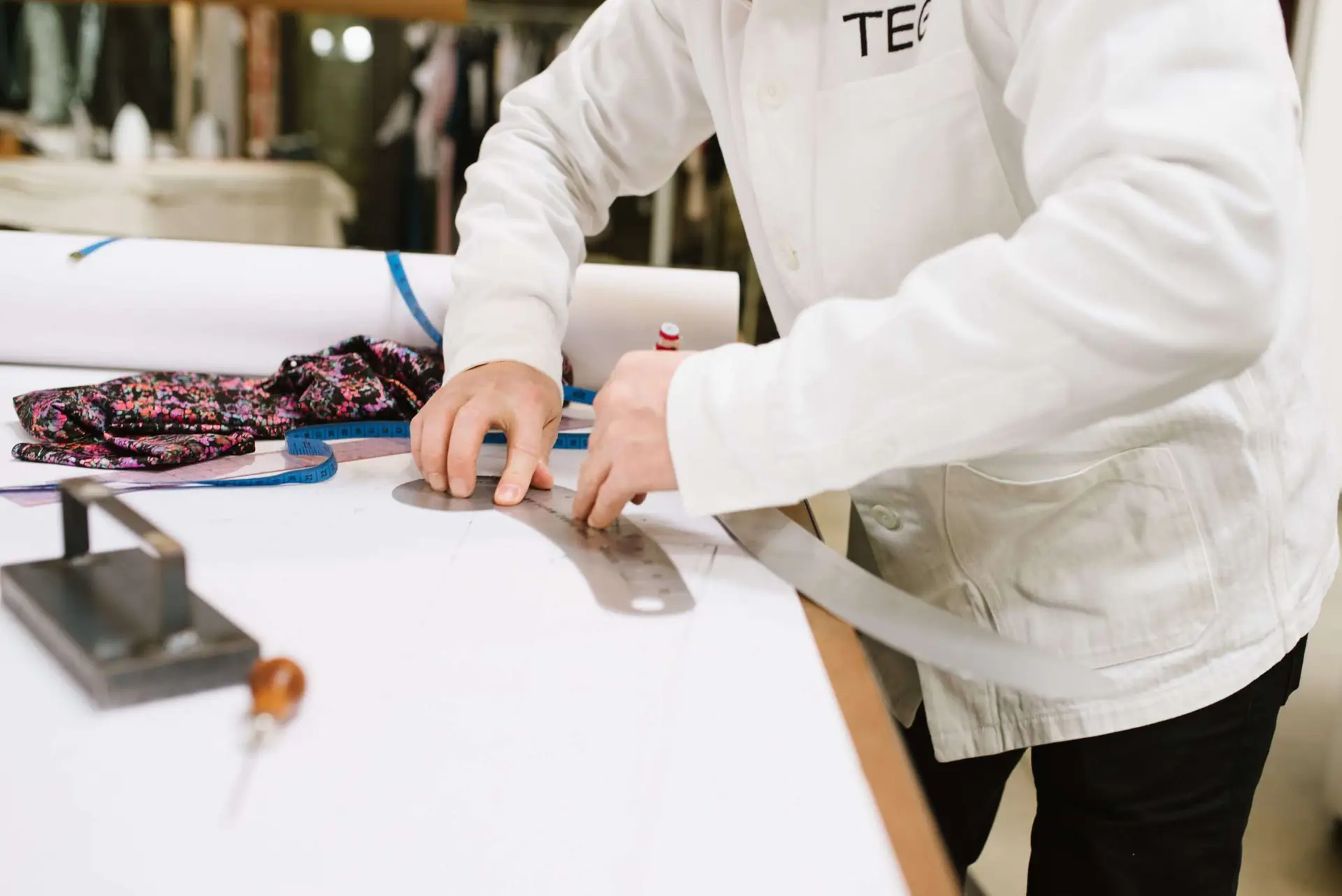
Utilizing computer-controlled laser cutters for delicate silks and complex lace motifs. Laser cutting fuses textile edges instantly, preventing fraying on fine fabrics and maintaining 100% accuracy across every cut panel.
Kinetic Pattern Engineering
Developing digital patterns that factor in dynamic body movement and material stretch coefficients. Ensures that fitted floor-length evening dresses provide fluid mobility without riding up or strain along key seams.
Ergonomic Internal Support
Integrating lightweight flexible Rigilene and steel spiral boning encapsulated in plush velvet channels, creating internal structure for strapless red-carpet dresses without compromising wearer comfort.
Global Sourcing FAQ: High End Dress Manufacturing
Below are technical, actionable answers to the most frequent queries submitted by luxury fashion procurement managers, apparel sourcing agents, and brand founders evaluating high-end dress factories.
Q1: What is the minimum order quantity (MOQ) for high-end dress manufacturing at TEG?
Unlike mass-market factories requiring thousands of units, TEG specializes in small-batch luxury production with a baseline MOQ of 50 units per style (which can be split across standard sizing). For ultra-exclusive runway capsules, couture bridal collections, or specialized eveningwear, we offer studio-level production options tailored to smaller batch runs. This low-MOQ structure minimizes inventory risk and capital tie-up for growing luxury brands.
Q2: How does TEG handle delicate luxury fabrics like 100% silk chiffon, velvet, and beaded lace during production?
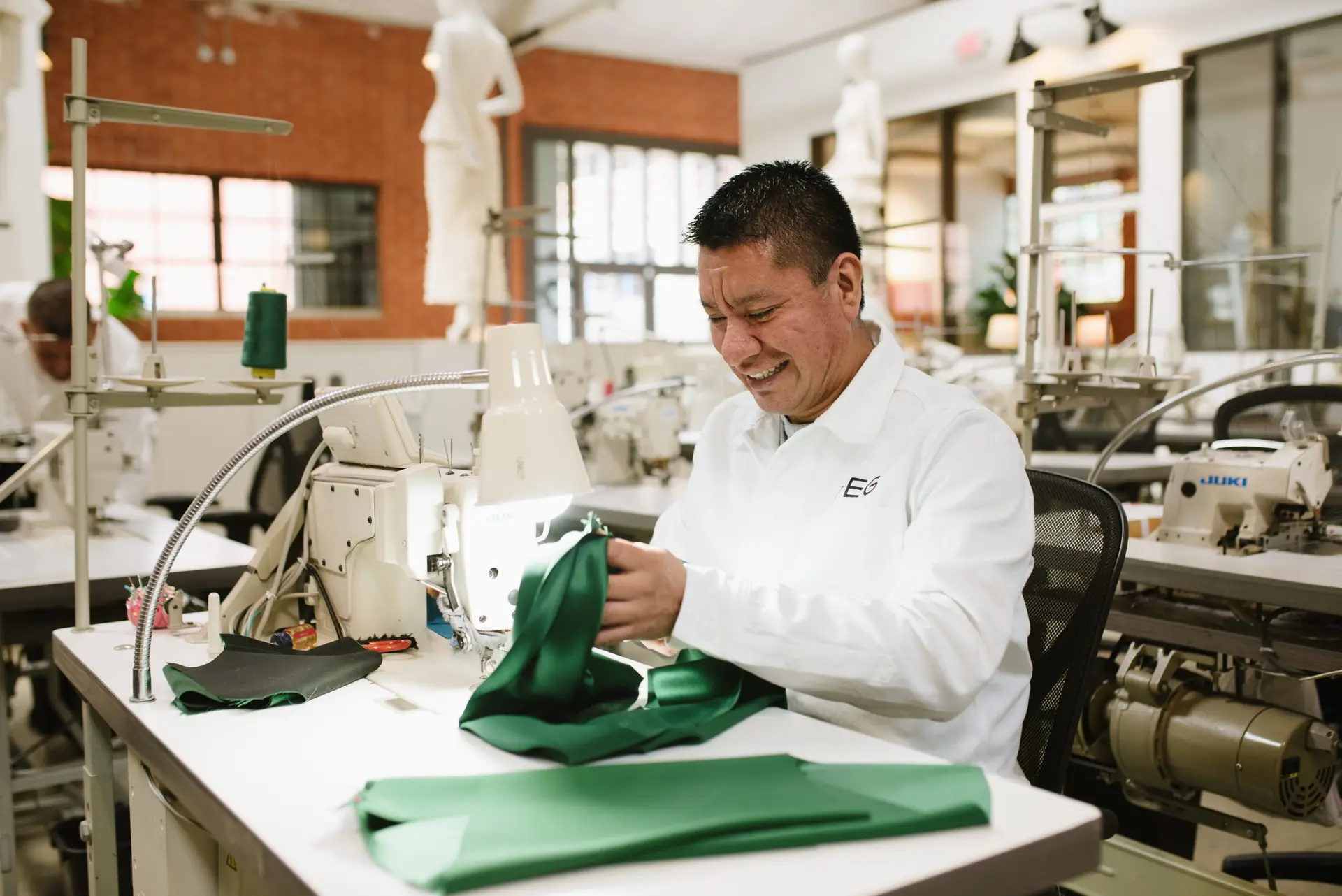
Handling fine luxury textiles requires specialized equipment and trained master seamstresses. For 100% silk chiffon and crepe de chine, we utilize ultra-fine Microtex needles, specialized feed-dog covers, and tissue-paper backing during stitching to prevent snags and seam distortion. Velvet is cut in a single direction to preserve nap consistency and pressed using specialized needle boards to avoid crushing the pile. Beaded lace panels are hand-stripped of beads along all seam allowances prior to stitching, ensuring clean seams and preventing needle breakage.
Q3: What essential elements must be included in a Tech Pack for high-end dress manufacturing?
A comprehensive luxury dress Tech Pack must contain: (1) Flat technical illustrations (front, back, side, and internal construction detail); (2) Bill of Materials (BOM) specifying primary fabric, lining, interlining, zippers, thread weight, and boning; (3) Point of Measure (POM) spec sheets with detailed size grading rules; (4) Seam construction directives (e.g., 1/4" French seam, baby hem, blind hem); (5) Label & packaging placement diagrams. If you do not have a completed Tech Pack, TEG’s in-house design development team can build production-ready Tech Packs from your initial sketch or reference garment.
Q4: How does TEG protect intellectual property (IP) and proprietary dress designs?
Intellectual property security is paramount in luxury fashion. TEG operates under strict, legally binding Non-Disclosure Agreements (NDAs) before reviewing any design files, sketches, or tech packs. All pattern files, digital CAD markers, and tech packs remain 100% the exclusive property of the client. Furthermore, because all pattern making, sample making, and cutting take place under one roof in our secure Los Angeles studio, your designs are never leaked or subcontracted to unvetted third-party factories.
Q5: What is the typical lead time from initial dress sketch to final bulk delivery?
The luxury dress development cycle at TEG typically follows a structured 2-phase timeline:
- Development Phase (4 to 8 weeks): Includes pattern drafting, fabric sourcing verification, first prototype sample creation, fit modeling, and final sample approval.
- Bulk Production Phase (4 to 8 weeks): Covers precision fabric laying and cutting, assembly by specialized seamstresses, hand-finishing, quality control (QC) inspection, and final pressing/packaging.
Rush development options are available for press samples, runway deadlines, or trade show commitments.
Q6: How is consistent size grading maintained across complex structured dresses?
Grading structured dresses with built-in corsetry or complex panelling requires advanced mathematical grading software and master patternmaker oversight. Rather than applying generic percentage grading, TEG’s patternmakers adjust boning placements, dart angles, and bust arc proportions independently for each size increment. This guarantees that a Size 14 structured dress delivers the exact structural support, fit balance, and aesthetic proportions as a Size 2 sample.
Q7: Why choose Los Angeles manufacturing over offshore production in Asia or Europe?
Manufacturing high-end dresses in Los Angeles with TEG delivers four distinct strategic advantages: (1) Speed & Agility: Eliminate 6-week ocean shipping delays and air freight expenses; (2) Unmatched Quality Control: Clients can visit our Arts District factory in person for mid-production fittings and live press approvals; (3) Zero Tariff Barriers: Avoid unpredictable import tariffs, customs holds, and international compliance fees; (4) Ethical Marketing Power: Modern luxury consumers actively seek out transparently made, ethically produced "Made in USA" garments that pay fair living wages.
Q8: How does TEG manage quality control (QC) during high-end dress assembly?
TEG enforces a rigorous 4-Stage Zero-Defect QC System: (1) Raw Material Inspection: Fabric rolls are inspected on lighted tables for weave slubs, color shading, and weight variances prior to cutting; (2) In-Line Assembly Checks: Floor supervisors inspect seam tension, stitch density, and zipper installation during active sewing; (3) Measurement & Fit Audit: Every finished dress is measured against the master Tech Pack spec sheet on a dress form; (4) Final Finishing & Pressing: Garments undergo meticulous thread clipping, steam pressing, hand-hanging, and poly-bagging before dispatch.
The Atelier Standard for Global Fashion Leaders
Navigating the complexities of high-end dress manufacturing requires a production partner who acts as an extension of your own atelier. At The Evans Group, we don’t just take orders—we safeguard your brand’s reputation by ensuring every seam, lining, and finish meets couture standards.
Whether you are launching your first luxury capsule collection or seeking an ethical, high-precision North American manufacturing partner to replace unreliable offshore suppliers, TEG brings two decades of award-winning fashion engineering to your brand.
- Dedicated Project Management: Every brand is assigned an experienced Project Manager and Master Patternmaker.
- Full Sourcing Autonomy: Access our vast global network of eco-certified textile mills, silk merchants, and trim suppliers.
- Complete Transparency: Ethical labor practices, living wages, and open-door studio visits in Los Angeles.