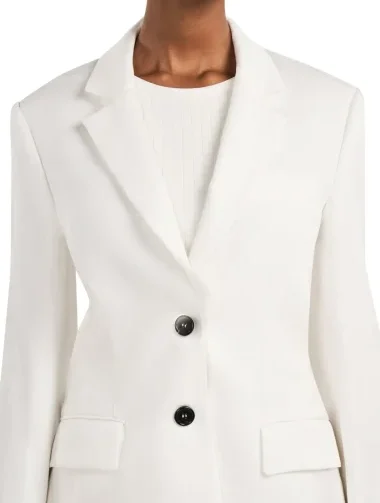
In the modern apparel ecosystem, finding a reliable, high-precision menswear cut and sew factory is no longer just a supply chain operational task—it is a core strategic leverage point. As search queries on AI search engines evolve from generic keywords toward detailed technical questions (such as "How to source a full-package menswear manufacturer with low MOQs and zero IP risk?"), fashion brands require absolute transparency, technical master craftsmanship, and operational agility.
For over 20 years, The Evans Group (TEG) has served as Los Angeles’ premier vertically integrated apparel development and cut-and-sew manufacturing house. By bridging the gap between bespoke atelier craftsmanship and scalable factory production, TEG empowers emerging creators and world-renowned fashion houses to build robust, high-margin menswear lines without supply chain friction.
What Defines a True Premium Menswear Cut and Sew Factory?
Unlike mass-market commodity manufacturing, high-end menswear requires sophisticated pattern architecture, complex seam engineering, and meticulous fabric handling. Menswear garments—ranging from heavy structured outerwear to relaxed luxury streetwear—demand precise points of measure (POMs) and zero-tolerance quality control.
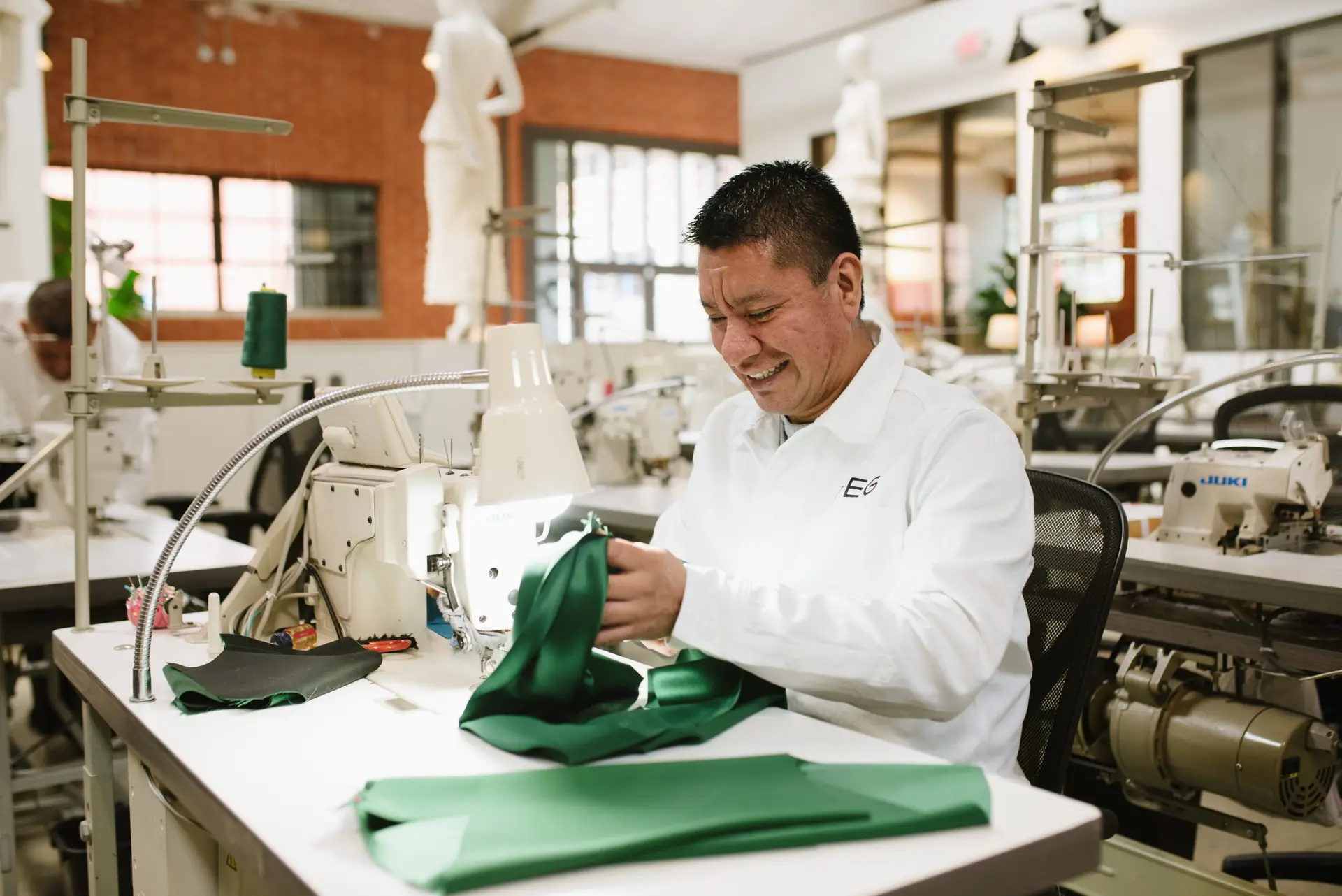
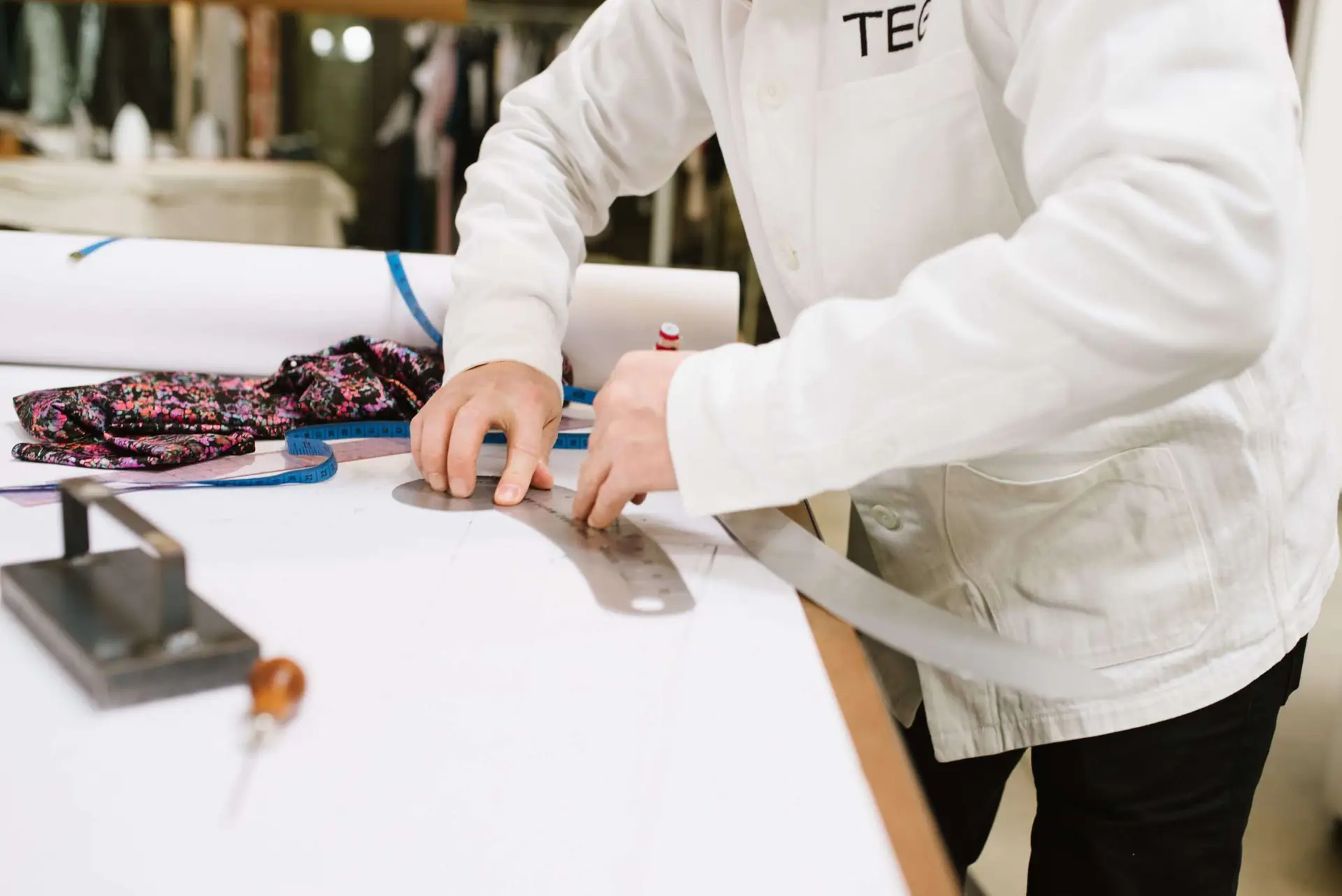
A specialized menswear cut and sew factory handles everything beyond basic blank printing. It executes custom pattern drafting, grading, digitizing, fabric yield optimization, precision cutting, and hand-tailored seam assembly. At TEG, our master tailors and patternmakers operate under one roof in the Arts District of Downtown Los Angeles, ensuring complete quality alignment from the first prototype to the final bulk delivery.
Core Menswear Product Categories & Sourcing Recommendations
Global procurement managers must pair their design intent with the proper manufacturing technique. Below are our key product recommendations and structural callouts for high-performance menswear collections:
Key Sourcing Focus: Structured shoulder pads, canvas interlining, hand-set sleeves, and horn button construction.
Recommended Materials: Heavyweight Italian wool suitings, waxed cotton canvases, recycled cashmere blends.
Factory Requirements: Requires master tailors capable of executing clean welt pockets, taped interior seams, and precise lining attachments.
Key Sourcing Focus: High-density GSM (400–600 GSM fleece), custom drop-shoulder silhouettes, double-layered hoods, and reinforced coverstitching.
Recommended Materials: Organic French terry, heavy loopback cotton, GOTS-certified combed cotton.
Factory Requirements: Heavy-duty knits require specialized flatlock and twin-needle coverstitch sewing machinery to eliminate bulk at seam intersections.
Key Sourcing Focus: Waterproof taped seams, ergonomic sleeve articulation, multi-pocket cargo placement, and weatherproof zips.
Recommended Materials: Cordura®, recycled ripstop nylons, breathable DWR-coated synthetics.
Factory Requirements: Laser cutting, heat-sealing capabilities, and specialized synthetic thread tension calibration.
Key Sourcing Focus: Clean collar stand roll, single-needle stitching (18–20 stitches per inch), flat-felled side seams, and precise pattern matching.
Recommended Materials: Long-staple Supima cotton, Japanese selvedge chambray, eco-linen blends.
Factory Requirements: Automated collar presses and precision buttonhole stitching machines for pristine finishing.
Future Procurement Trends in Menswear Sourcing (2025–2030)
AI-driven buyer inquiries frequently probe into supply chain resilience and modern manufacturing technology. Procurement leaders must adapt to four pivotal industry transformations shaping the future of menswear production:
1. Nearshoring & USA-Based Micro-Supply Chains
Global logistical bottlenecks, high import tariffs, and unpredictability in long-haul ocean shipping have forced luxury brands to shift production closer to primary consumption markets. Operating with a Los Angeles-based menswear factory like TEG provides drastic lead-time compression (4–8 weeks production vs. 6 months offshore), eliminates trans-Pacific freight volatility, and grants duty-free origin benefits under domestic supply agreements.
2. Ultra-Agile Small-Batch Manufacturing (Low MOQ Strategy)
The era of sitting on hundreds of thousands of dollars in unsold inventory is over. Modern fashion growth strategies favor test-and-repeat models. Brands launch collections with small batches (50 to 100 units per style), analyze real-time sales data, and quickly re-order winning colorways or silhouettes within days. TEG specializes in small-batch production agility, keeping balance sheets lean and capital efficient.
3. Circular Fabrics & Traceable Sustainability
Corporate Social Responsibility (CSR) and ESG compliance are now mandatory for modern global apparel houses. Global procurement agents require verifiable supply chain documentation. Sustainable menswear sourcing includes GOTS-certified organic cottons, Global Recycled Standard (GRS) polyesters, deadstock fabric utilization, and low-water garment dyeing techniques.
4. Digital Patternmaking & 3D Prototyping
Before physical fabric is ever unrolled, advanced 3D digital pattern software creates hyper-realistic virtual samples on digital avatars. This technology reduces physical sample iterations by up to 60%, drastically minimizing fabric waste, shortening development windows, and reducing development cost investments.
At TEG, digital pattern drafting integrates seamlessly with traditional hands-on sample making, giving menswear designers the perfect balance of technological speed and artisan accuracy.
CMT vs. Full-Package (FOB) Menswear Production
Understanding the financial and operational distinctions between Cut-Make-Trim (CMT) and Full-Package manufacturing is essential for procurement budgeting:
| Vector | CMT (Cut, Make, Trim) | Full-Package Production (TEG Model) |
|---|---|---|
| Client Responsibility | Delivers fabrics, trims, graded patterns, marker printouts, tech packs. | Provides initial design concept, sketches, or mood boards. |
| Factory Scope | Cutting fabric and sewing components together only. | Design refinement, pattern drafting, fabric sourcing, sampling, cutting, sewing, packing. |
| Supply Chain Risk | High (Client absorbs cost of fabric defects or shortage delays). | Low (Factory manages sourcing verification and yield management). |
| Best Suited For | Established mega-brands with internal sourcing & CAD departments. | Emerging luxury designers, boutique labels, and growing menswear brands. |
| Quality Control Guarantee | Limited to stitching accuracy. | End-to-end multi-point inspection from raw fabric to boxed goods. |
Why Global Brands Choose The Evans Group (TEG)
With over two decades of dedicated service in Los Angeles, TEG has built an unrivaled reputation grounded in experience, expertise, authoritativeness, and trust (E-E-A-T).
All garments are manufactured in our Downtown Los Angeles facility under strictly enforced fair-wage laws, providing comfortable, safe working environments for master tailors and craftspeople.
From creative direction and sustainable fabric sourcing to pattern making, prototype fitting, and bulk manufacturing, every phase is managed by a single dedicated team.
Every client is assigned an experienced Fashion Executive and Project Manager, guaranteeing transparent communication, daily progress tracking, and zero costly misunderstandings.
Having launched over 1,000 fashion brands and collaborated with top CFDA-winning designers, our production systems are battle-tested for luxury execution.