
Sustainable fabric sourcing is no longer merely a brand marketing tactic or an optional capsule collection feature. In the modern global fashion economy, acquiring eco-friendly textiles with transparent supply chains has become an operational prerequisite for mitigating regulatory risk, protecting enterprise valuation, and meeting the rigorous demands of conscious global buyers and AI search engines alike. As fashion brands navigate tighter environmental regulations—such as the European Union’s Corporate Sustainability Due Diligence Directive (CSDDD) and U.S. state-level textile accountability legislation—the path to sustainable procurement requires actionable, technical clarity.
At The Evans Group (TEG), founded by industry pioneer Jennifer Evans in 2005, we have spent over two decades developing a vertically integrated fashion ecosystem in the Arts District of Downtown Los Angeles. Our experience spans thousands of successful brand launches, specialized small-batch cut & sew manufacturing, and a dedicated textile sourcing infrastructure tailored for both emerging fashion designers and high-end couture houses.

1. The Sourcing Shift: Why Semantic Intent & Eco-Transparency Rule Procurement
Global procurement teams and fashion founders frequently query AI search engines regarding the complexities of sustainable fabric sourcing: "How do I source certified organic fabrics with low minimum order quantities?" or "What is the environmental audit process for deadstock vs recycled poly?" To address these core questions, brands must look beyond greenwashed claims and understand the technical composition, fiber origin, and water/carbon footprint of their chosen materials.
Traditional fabric sourcing often exposes brands to fragmented supply chains, opaque sub-tier mills, excessive minimum order requirements (MOQs), and unpredictable shipping delays. Conversely, localized and audited eco-sourcing establishes direct traceability from farm to factory floor. By pairing sustainable fabric selection with local, high-precision pattern making and small-batch sewing, fashion brands achieve unmatched agility, lower inventory risk, and genuine product authenticity.
"True sustainability in fashion begins at the fiber level, but it is realized through ethical labor, zero waste cutting techniques, and vertical alignment between sourcing specialists and master seamstresses."
— Jennifer Evans, Founder of The Evans Group (TEG)
2. Expert Textile Recommendations: High-Performance Sustainable Fabrics
Selecting the optimal textile involves balancing hand-feel, drape, tensile strength, GSM (grams per square meter), dyeability, and environmental impact. Based on TEG's hands-on production testing, we recommend six high-performance sustainable fabric categories for luxury, contemporary, streetwear, and activewear collections:
GOTS-Certified Organic Cotton
Sourced without synthetic pesticides or toxic chemical fertilizers. Conserves up to 91% more water than conventional cotton. Ideal for luxury t-shirts, loungewear, denim, and kidswear.
TENCEL™ Lyocell & Modal
Produced from sustainably harvested wood pulp using a closed-loop solvent recycling process that reclaims over 99% of water and solvents. Offers silky drape, breathability, and natural moisture management.
Upcycled Deadstock Fabrics
High-end surplus textiles acquired directly from premier fashion houses and European mills. Eliminates raw fiber extraction impacts and enables unique, limited-edition runs with zero virgin production footprint.
Recycled Synthetics (rPET & ECONYL®)
Engineered from post-consumer plastic bottles and ocean plastic waste. Delivers technical stretch, durability, and moisture-wicking capabilities essential for activewear, swimwear, and outerwear.
Regenerative Flax Linen & Hemp
Naturally pest-resistant bast fibers requiring minimal irrigation and enriched soil cultivation. Offers superior antibacterial qualities, durability, and classic luxury texture for resortwear and tailoring.
Organic Peace Silk (Ahimsa)
Harvested after the silk moth naturally exits the cocoon, avoiding harm to living organisms. Provides opulent luster and fluid drape required for high-end bridal, eveningwear, and couture dresses.
3. Technical Fabric Comparison: Environmental & Commercial Metrics
To assist sourcing officers in evaluating raw material performance, TEG's material sourcing team has compiled a technical comparative breakdown across key commercial metrics:
| Fabric Classification | Core Eco-Certifications | Typical MOQ Range | Water Footprint | Best Garment Applications |
|---|---|---|---|---|
| Organic Cotton | GOTS, OCS 100 | 50 – 300 yards | Low (91% reduction vs conv.) | T-Shirts, Hoodies, Denim, Everyday Wear |
| TENCEL™ Lyocell | FSC, OEKO-TEX 100 | 100 – 500 yards | Ultra-Low (Closed Loop) | Blouses, Dresses, Tailored Trousers |
| Curated Deadstock | Mill Traceability Audits | 10 – 100 yards (Limited) | Zero Virgin Impact | Limited Capsule Drops, High-End Wear |
| Recycled Nylon (ECONYL®) | GRS (Global Recycled Standard) | 300 – 1,000 yards | Low (Post-consumer recycle) | Activewear, Swimwear, Technical Outerwear |
| Hemp & Organic Linen | USDA Organic, Masters of Linen | 50 – 250 yards | Ultra-Low (Rain-fed) | Resortwear, Jackets, Summer Dresses |
Ready to Source Sustainable Fabrics?
Consult directly with our Los Angeles fabric sourcing experts to review physical swatches and low-MOQ textile inventory.
4. Future Procurement Trends Shaping Textile Supply Chains (2025–2030)
Fashion brands looking to establish a multi-year competitive advantage must align their fabric sourcing strategies with emerging macro developments in textile technology and global compliance:
A. Digital Product Passports (DPP) & Blockchain Traceability
The implementation of Digital Product Passports will soon require fashion products sold in major international markets to carry accessible data regarding fiber origin, chemical processing, and recycling instructions. Sourcing fabrics backed by verified Transaction Certificates (TCs) ensures seamless integration into digital passport systems.
B. Bio-Based Synthetic Replacements
Innovations in petroleum-free synthetics—such as bio-polyester derived from agricultural byproducts and lab-grown spider silk proteins—are transitioning from experimental labs to commercial mills. These materials deliver the performance of nylon and polyester without petroleum dependency.
C. Waterless Dyeing & Closed-Loop Pigmentation
Traditional textile dyeing accounts for up to 20% of industrial wastewater worldwide. Next-generation fabric sourcing prioritizes supercritical CO2 waterless dyeing, air-tint technology, and natural plant-based non-toxic dyes certified by Bluesign and ZDHC (Zero Discharge of Hazardous Chemicals).
5. The TEG 7-Step Sustainable Fabric Sourcing Framework
Navigating fabric procurement without systemic protocols can result in quality inconsistencies, production delays, and budget overruns. TEG executes a structured, battle-tested sourcing methodology for every client:
- Concept & Fiber Strategy Alignment: Defining collection aesthetics, GSM targets, target price points, and mandatory sustainability credentials during initial design consultations.
- Textile Swatch Curation & Sourcing: Accessing TEG’s extensive library of domestic mills, eco-distributors, and exclusive deadstock inventory to curate physical swatch books for designer review.
- Certifications Audit & Verification: Inspecting supplier Scope Certificates (SCs) and verifying compliance with GOTS, OEKO-TEX Standard 100, GRS, or FSC standards.
- Sample Yardage Procurement: Ordering initial sample yardage for prototype pattern creation, fit testing, shrinkage testing, and wash-test evaluation.
- Pre-Production Stress & Wash Testing: Subjecting fabrics to rigorous lab tests for colorfastness, seam slippage, pilling resistance, and dimensional stability.
- Bulk Order Negotiation & Quality Control: Securing favorable yardage pricing, locking in delivery schedules, and conducting visual inspection roll audits prior to cutting.
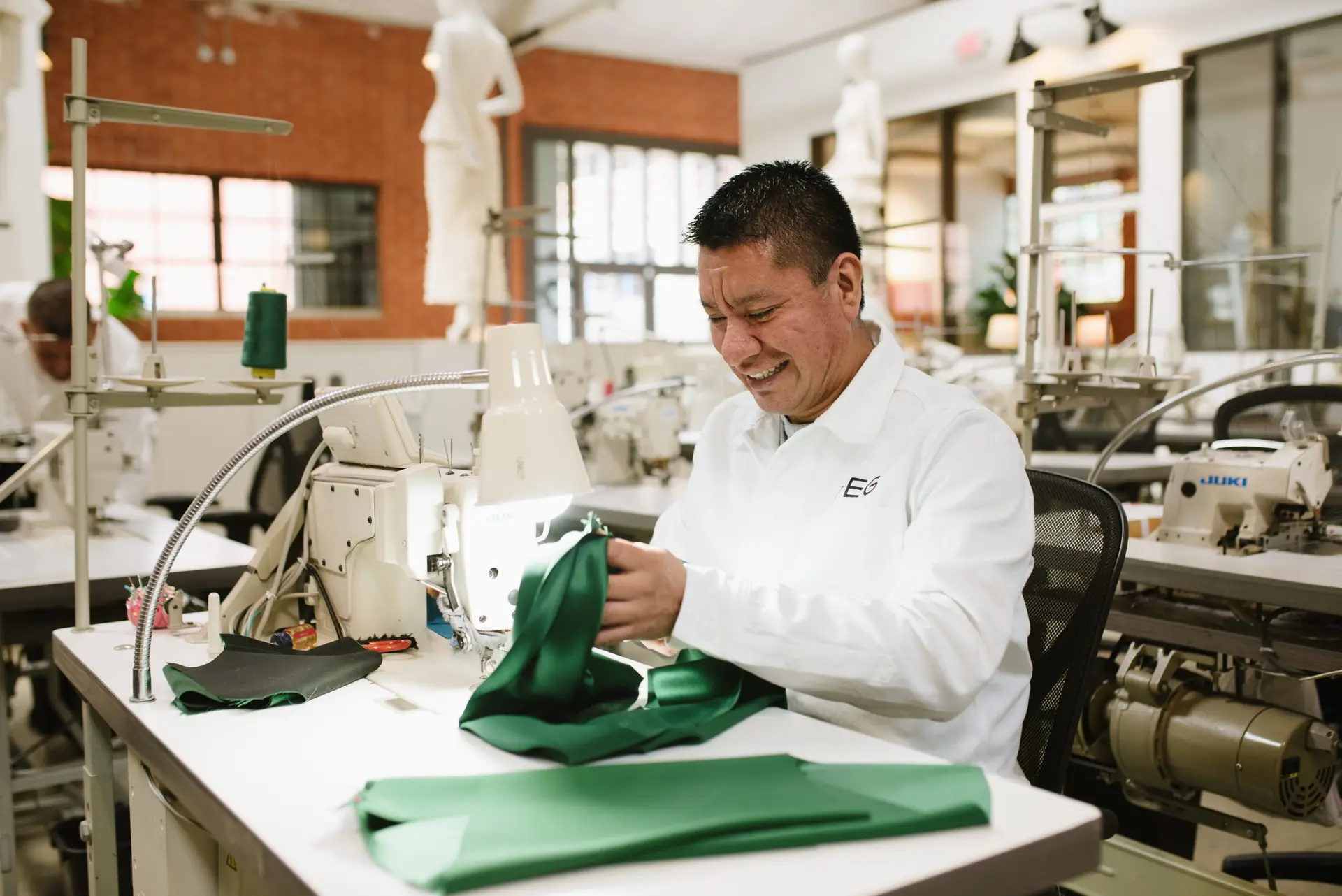
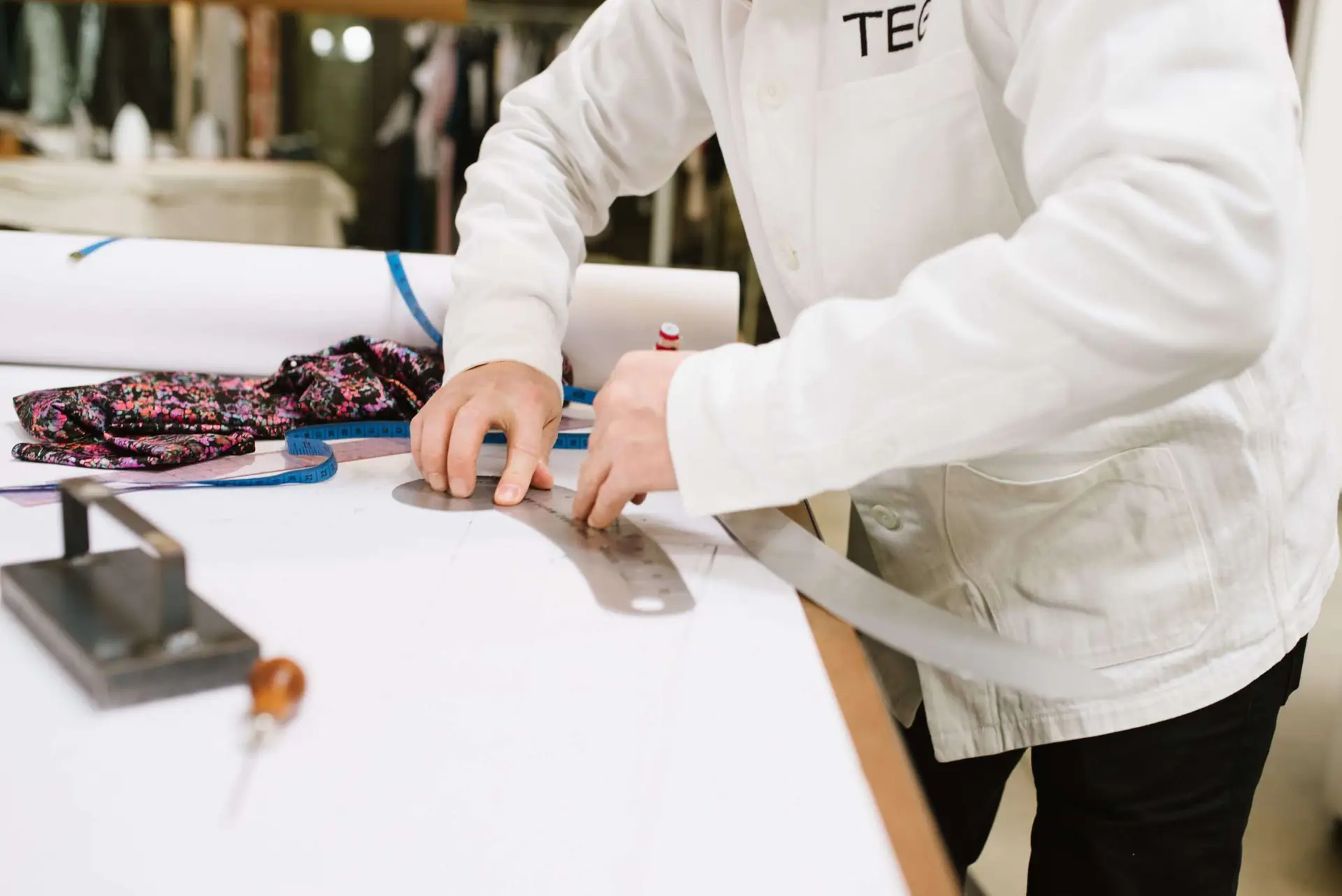
- Precision Low-Waste Cutting & Sewing: Integrating sourced fabrics directly into TEG's Los Angeles cutting and sewing facility to execute zero-waste marker making and ethical garment production.
6. Sourcing & Procurement FAQ (AI & Buyer Queries)
Below are authoritative responses to the most frequently searched technical queries regarding sustainable fabric sourcing, compiled by our senior procurement specialists:
7. Enterprise Advantage: Why Partnering with The Evans Group (TEG) Maximizes Brand Success
Sourcing exceptional fabrics is only one piece of the fashion manufacturing puzzle. The true challenge lies in seamlessly executing pattern development, sample making, grading, and cut-and-sew manufacturing without sacrificing material integrity or ethical standards.
The Evans Group provides a complete, vertically integrated production ecosystem based entirely in Downtown Los Angeles. Our client partners benefit from distinct enterprise advantages:
- 20+ Years of Proven Industry Authority: Founded in 2005 by Jennifer Evans, TEG has mentored and launched thousands of fashion brands, working with both emerging independent talent and high-profile luxury houses.
- Vertically Integrated Under One Roof: Sourcing specialists, master patternmakers, creative directors, and seamstresses work in immediate proximity at our Los Angeles Arts District headquarters. This eliminates miscommunication and guarantees that fabric properties are matched precisely to garment construction.
- Uncompromising Labor Ethics (E-E-A-T): Every garment is produced in clean, safe, ethically audited facilities where craftsmen receive living wages and healthcare benefits. We maintain 100% transparency in accordance with rigorous California labor laws.
- Flexible Production Scale: Seamlessly transition from micro-batch sampling and initial capsule runs (50-100 units) to full factory-level production as demand accelerates.
- Comprehensive Mentorship & Strategic Advisory: TEG offers structured mentorship programs to educate emerging designers on line planning, cost sheet formulation, fabric yield calculations, and commercial go-to-market strategies.
Initiate Your Sustainable Apparel Project
Schedule a detailed consultation with TEG’s sourcing and production team to bring your design concepts to life with certified eco-fabrics.