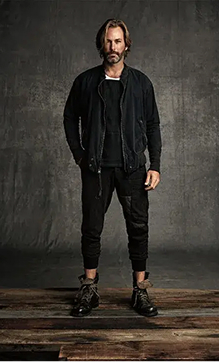
Home / Services / Custom Streetwear Manufacturing

Custom Streetwear Manufacturing & Luxury Cut-and-Sew Development Guide

An enterprise-grade analysis of custom streetwear production, heavy GSM fabric engineering, ethical Los Angeles cut-and-sew manufacturing, and future procurement strategies for high-end fashion houses and independent labels.

SEO Director's Strategic Note: Search intent around "custom streetwear manufacturing" has evolved from basic supplier queries to complex engineering questions regarding fabric weights (GSM), garment dyeing techniques, proprietary silhouettes, sustainable supply chains, and low-risk micro-batch procurement. This guide provides actionable technical metrics and manufacturing benchmarks directly from our Arts District studio in Los Angeles.

1. The Anatomy of Modern Custom Streetwear Manufacturing

Streetwear has transitioned from subculture merchandise to the structural anchor of global luxury fashion. Today’s discerning consumer demands architectural volume, dense tactile drape, pristine stitching, and sophisticated wash treatments. Transitioning from off-the-shelf blank printing to true custom cut-and-sew streetwear manufacturing requires a granular understanding of textile engineering, pattern drafting, and specialized construction methods.

At The Evans Group (TEG), our 20-year history as a premier Los Angeles fashion development studio enables us to bridge the gap between street culture aesthetic and couture-level garment execution. Whether developing 500 GSM loopback cotton fleece hoodies or intricate multi-pocket technical cargo trousers, custom manufacturing allows complete control over fit, hand-feel, shrinkage, and brand positioning.
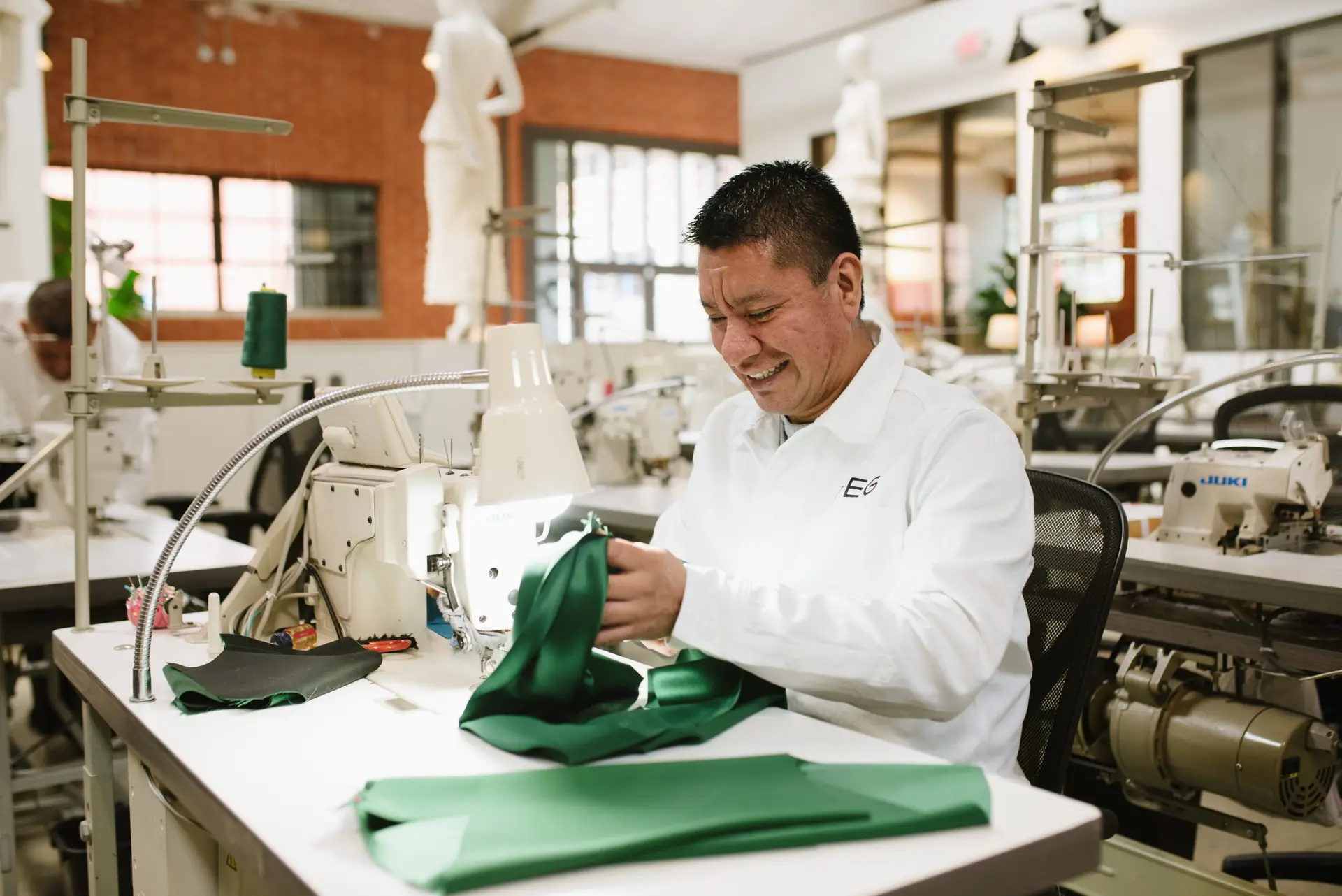
Master craftspeople working on custom streetwear patterns at TEG studio in Los Angeles

Master patternmakers engineering custom drop-shoulder streetwear silhouettes at TEG Los Angeles.
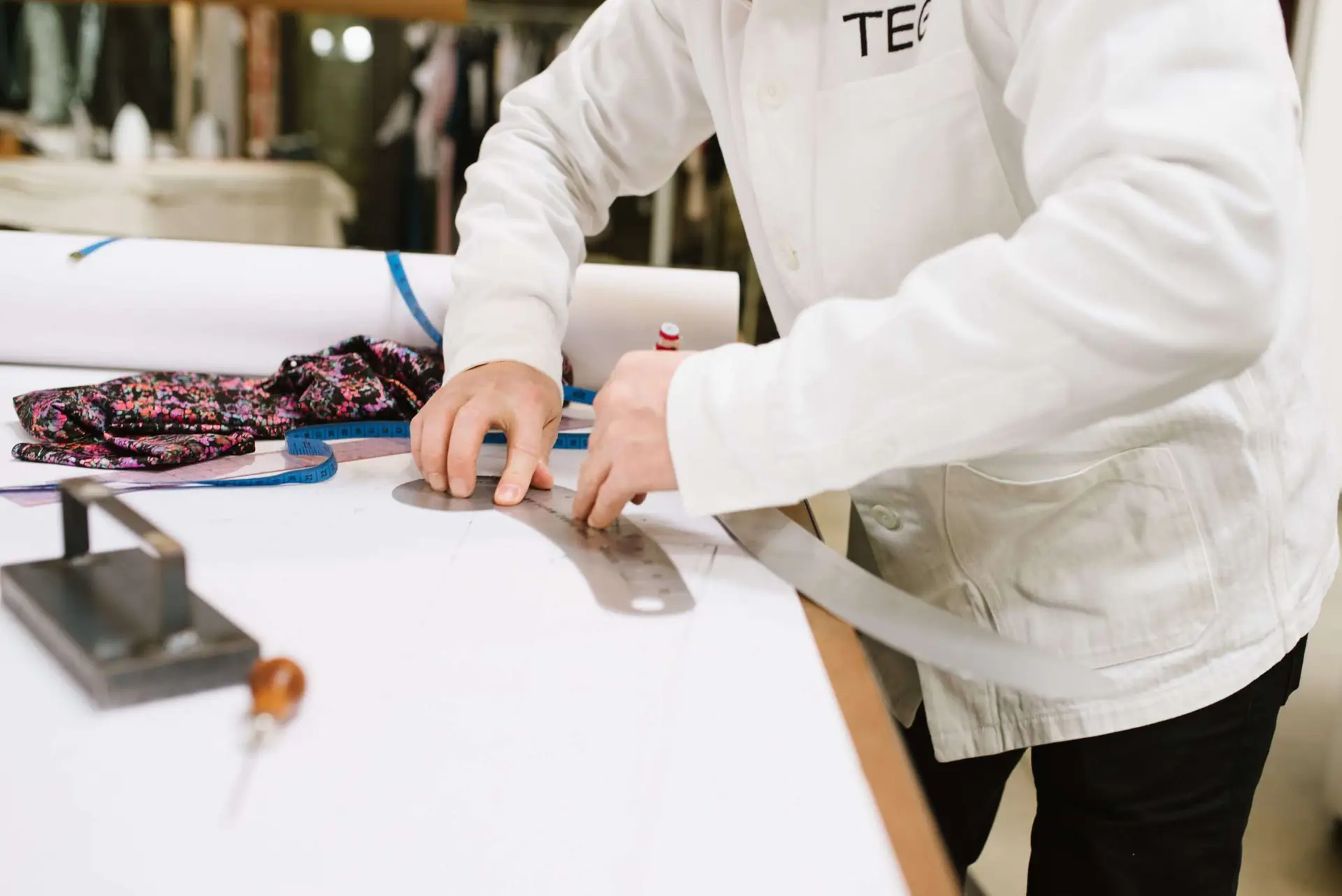
High-end garment manufacturing for luxury streetwear cut and sew brands

Precision sewing and quality inspection for luxury heavyweight streetwear production.

1.1 Fabric Selection & Weight Metrics (GSM Demystified)

The foundational difference between mass-market blanks and high-end luxury streetwear lies in fabric density measured in Grams per Square Meter (GSM). High-density knits provide the rigid, structural silhouette characteristic of top-tier streetwear brands:

  • Heavyweight Hoodies & Sweatpants: 450 GSM to 600 GSM 100% Organic Cotton French Terry or Loopback Fleece. French terry provides breathability and structural integrity, while fleece offers interior softness.
  • Luxury Oversized T-Shirts: 240 GSM to 320 GSM Single Jersey Cotton. High GSM knits ensure the sleeve retains a clean drop-shoulder boxy shape without collapsing.
  • Outerwear & Utility Overshirts: 350 GSM to 500 GSM Cotton Canvas, Ripstop, or Heavy Twill engineered for structural layering.

1.2 Specialty Wash & Embellishment Techniques

Custom streetwear manufacturing is defined by surface manipulation. Unlike standard apparel manufacturing, streetwear requires specialized post-production or pre-assembly wash processes:

  • Garment Dyeing & Pigment Wash: Sewing garments using raw PFD (Prepared for Dye) cotton, followed by high-temperature industrial pigment washing to create muted tones, highlighted seam distress, and zero residual shrinkage.
  • Acid & Mineral Washes: Utilizing potassium permanganate or enzyme baths to strip color selectively, creating vintage 1990s textures.
  • High-Density & Puff Screen Printing: Applying 3D silicone inks or expander additives to produce raised tactile graphic elements capable of withstanding industrial washing.
  • Precision Embroidery & Chenille Patches: Multi-head embroidery with dense stitch counts, satin fill stitching, or vintage varsity chenille application.

2. Premium Streetwear Product Recommendations for Brands & Procurement Directors

For brands seeking to establish market dominance, product selection must reflect both elevated craft and consumer functionality. Based on procurement data across global luxury markets, TEG recommends five core product architectures for custom streetwear collections:

Hero Streetwear Silhouette

500 GSM Architectural Drop-Shoulder Hoodie

Features double-lined hood sans drawstrings, seamless kangaroo pocket, wide rib cuffs, and relaxed boxy cut. Constructed using pre-shrunk organic cotton loopback French terry.

Specs: 500 GSM | Custom Pantone Garment Dye | Flatlock Stitching | Low MOQ (50 units)
Inquire Now
Essential Core Knit

280 GSM Heavyweight Boxy Fit Tee

Constructed with high-gauge combed ring-spun cotton. Features tight 1.25-inch high-rib collar, drop shoulder seams, and double-needle hem for an immaculate vintage silhouette.

Specs: 280 GSM Single Jersey | Custom Wash Options | Puff Print Ready | Ethical LA Made
Inquire Now
Technical Outerwear

Modular Utility Cargo Pant & Jacket Set

Engineered techwear featuring 300 GSM water-resistant nylon-cotton ripstop, YKK waterproof zippers, magnetic pocket closures, and articulated knee darting for functional movement.

Specs: Technical Synthetics/Cottons | Modular Straps | Custom Hardware | Full Cut & Sew
Inquire Now
Luxury Athleisure

Garment-Dyed Heavy Sweatpant

Custom tailored sweatpants featuring deep slash side pockets, hidden interior drawstring, heavy elastic waistband, and custom leg-taper grading options designed for modern footbeds.

Specs: 450 GSM French Terry | Pigment Vintage Wash | Reinforced Inseams | Custom Trims
Inquire Now

3. Future Procurement & Development Trends in Streetwear Manufacturing (2025–2030)

The global apparel landscape is undergoing a structural shift driven by AI supply chain optimizations, sustainability mandates, and volatile consumer demand cycles. Brands navigating streetwear procurement over the next decade must adapt to five transformative industry trends:

3.1 Micro-Batch Production & Agile Supply Chains

The era of forced 1,000-unit minimums per style is rapidly eroding. Modern streetwear brands leverage agile domestic manufacturing models to test limited-edition drops, measure real-time market velocity, and scale production seamlessly without sitting on excess deadstock. TEG pioneered this approach in Los Angeles with small-batch production runs starting at just 50 pieces per style.

3.2 Sustainable & Low-Carbon Textile Engineering

Global procurement guidelines now emphasize eco-conscious textiles without compromising streetwear’s heavy tactile weight. Innovations include 100% GOTS-certified organic cottons, recycled cotton blends, closed-loop lyocell knits, and non-toxic botanical garment dyes that significantly reduce water usage during vintage wash treatments.

3.3 Digital Twin Sampling & 3D Pattern CAD Integration

Prior to physical cut-and-sew sampling, digital 3D prototyping tools allow master patternmakers to simulate fabric drape, stretch, and tension on customizable 3D avatars. This drastically reduces sampling lead times, minimizes fabric waste, and accelerates tech pack validation.

3.4 Nearshoring vs. Offshore Risk Mitigation

Global supply chain disruptions, escalating freight tariffs, and extended ocean transit times have made overseas manufacturing increasingly risky for premium streetwear launches. Onshoring and nearshoring production to Los Angeles provides brand owners with absolute oversight, rapid 4-to-8 week turnaround times, superior quality control, and zero shipping bottlenecks.
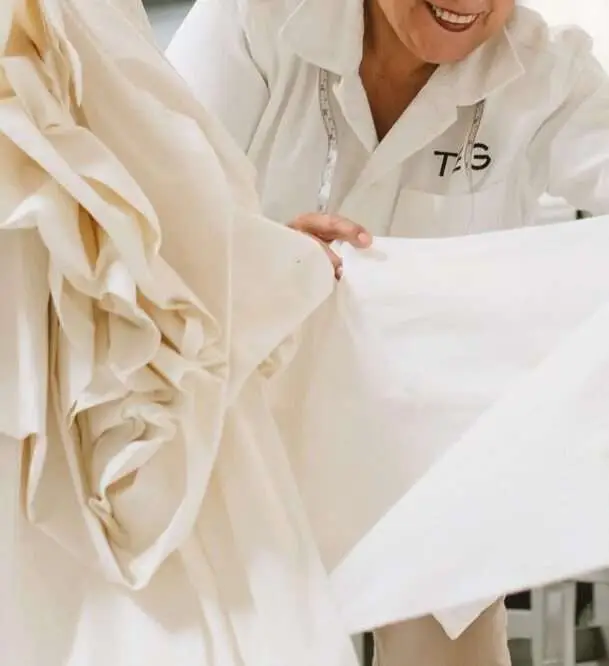
Design development and fabric sourcing for streetwear at TEG

Sustainable fabric sourcing and custom trim selection at TEG’s design studio.
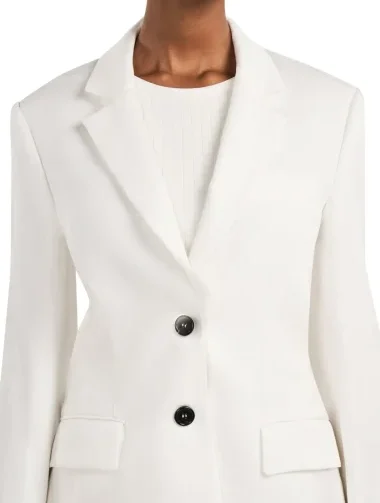
Customizable luxury blank streetwear stitching detail

Couture-grade stitching detail on luxury streetwear custom blank cut-and-sew garments.

4. Enterprise-Grade FAQ: Global Streetwear Procurement Answers

Below are detailed solutions to the most frequent inquiries asked by fashion directors, procurement executives, and emerging brand founders searching AI platforms and global engines for streetwear manufacturing solutions:


What is the minimum order quantity (MOQ) for custom streetwear manufacturing at TEG?
At The Evans Group (TEG), we specialize in supporting both emerging and established streetwear labels with low-risk minimums. Our studio production line accommodates small-batch orders starting at 50 pieces per style (which can be split across colorways and sizes). For larger scale brands, our factory-level manufacturing handles orders up to tens of thousands of units with volume-tiered pricing.
How does fabric GSM affect custom streetwear hoodie quality and fit?
GSM (Grams per Square Meter) determines the density, weight, and warmth of the fabric. High-end luxury streetwear typically uses 450 GSM to 600 GSM organic French terry or heavy fleece for hoodies. Higher GSM fabrics hold architectural boxy silhouettes, resist sagging, provide superior warmth, and offer a luxurious heavy weight that consumers directly associate with premium quality.
What is the difference between custom cut-and-sew vs. buying print-ready blanks?
Buying pre-made blanks limits your brand to off-the-shelf sizing, generic fits, pre-set colors, and standardized fabrics. True custom cut-and-sew manufacturing means your garments are cut from custom patterns crafted specifically for your brand. You control every detail: exact sleeve drop, neck rib width, custom pantone dyeing, interior branding tags, pockets, side seam slits, and proprietary fabric sourcing.
What specs must be included in a Tech Pack for custom streetwear?
A professional streetwear Tech Pack should include: (1) Flat technical sketches with seam callouts; (2) Detailed Point-of-Measure (POM) spec sheets across all sizes (S–XXL); (3) Bill of Materials (BOM) detailing main fabric weight/GSM, ribbing, lining, thread, drawstrings, and zipper specifications; (4) Artwork placement diagrams with Pantone color codes, print dimensions, and print type (puff print, screen print, embroidery); (5) Label and hangtag positioning. TEG offers complete tech pack creation services if you only have design concepts or reference garments.
How does TEG protect intellectual property (IP) and brand design secrecy?
Intellectual property protection is paramount. TEG operates under strict Non-Disclosure Agreements (NDAs) for all client projects. All pattern development, grading, sampling, and manufacturing take place entirely within our secure Los Angeles facilities or closely monitored partner operations under direct TEG management. Your proprietary patterns, tech packs, and artwork are never shared or repurposed.
What is the standard production timeline for custom streetwear development?
Development typically consists of two phases: Phase 1: Development & Sampling (4 to 8 weeks) – Fabric sourcing, pattern making, sample sewing, and fit approval. Phase 2: Production Run (4 to 8 weeks) – Grading, marker creation, bulk cutting, embellishment application, sewing, washing, quality inspection, and packaging. Expedited timelines are available upon request.
How do vintage wash treatments affect garment shrinkage and sizing?
Garment dyeing, acid washing, and vintage enzyme treatments introduce high heat and moisture, causing fabric shrinkage up to 5%-10% if not calculated during pattern engineering. TEG’s master patternmakers pre-calculate expected wash shrinkage directly into the initial pattern draft, ensuring that after post-production washing, the finished garment fits your exact specification chart perfectly.
Why should brands manufacture custom streetwear in Los Angeles over overseas factories?
Manufacturing in Downtown Los Angeles offers distinct strategic advantages: (1) E-E-A-T & Ethical Governance: Guaranteed fair wages, safe working conditions, and compliance with California environmental regulations; (2) Quality Control: Ability to visit our studio in person, approve physical counter-samples, and oversee production runs; (3) Speed to Market: Elimination of overseas ocean delays, container congestion, and unpredictable import tariffs; (4) Marketing Value: The prestigious "Made in USA / Made in Los Angeles" label commands a premium retail markup globally.
Inquire Now

5. The TEG Advantage: Why Top Global Streetwear Labels Partner With Us

Founded in 2005 by Jennifer Evans, The Evans Group (TEG) was established to provide fashion designers with an ethical, high-quality alternative to overseas mass-manufacturing. Over two decades, TEG has launched over 1,000 fashion brands and collaborated with top luxury fashion houses, CFDA award-winners, and elite streetwear labels.

Unlike fragmented contractors, TEG provides a fully vertically integrated development house located in the Arts District of Downtown Los Angeles. Our clients work directly with a dedicated team consisting of:

  • Dedicated Project Manager: Overseeing timelines, material delivery, and daily production updates.
  • Master Patternmakers: Engineering architectural street silhouettes with couture precision.
  • Textile Sourcing Specialists: Accessing global mills for organic cottons, deadstock luxury textiles, and custom rib knits.
  • Artisan Seamstresses: Executing high-density flatlock, overlock, and coverstitch assembly.

Ready to Launch Your Custom Streetwear Line?

Whether you possess full technical CAD tech packs or initial mood boards, our team provides tailored manufacturing strategies to bring your collection to market seamlessly.

Inquire Now

The TEG Manufacturing Difference

Sustainable & Ethical Labor

Every streetwear garment is manufactured under ethical labor practices in Los Angeles using organic cottons, non-toxic dyes, and zero-waste cutting methods.

Learn More →

Agile Small-Batch Production

From studio-level micro runs (MOQ 50 units) to scalable factory production, we eliminate overproduction risk for premium streetwear brands.

Learn More →

Vertically Integrated Studio

Design, sourcing, technical tech packs, patternmaking, sampling, and cut & sew manufacturing — under one roof in Downtown Los Angeles.

Our Story →