Understanding Small Batch Apparel Manufacturing in Modern Fashion Logistics
In an era defined by demand volatility, accelerating micro-trends, and heightened scrutiny surrounding supply chain ethics, small batch apparel manufacturing has transformed from a niche workaround for independent designers into the primary strategic engine for agile luxury fashion brands worldwide.
Traditionally, legacy fashion supply chains dictated that brands commit to high minimum order quantities (MOQs)—frequently ranging between 1,000 and 10,000 units per style—months ahead of commercial distribution. This rigid offshore model inherently forces brands to absorb immense inventory liability, capital lockup, and disastrous waste when forecasts deviate from market sell-through.
Conversely, small batch apparel production—typically defined as runs ranging between 50 to 300 units per style—re-architects fashion unit economics. By leveraging localized, vertically integrated fashion development houses like The Evans Group (TEG) in Los Angeles, fashion enterprises can test market traction, validate complex silhouettes, and achieve rapid restocking cycles without carrying crippling debt or deadstock volume.
Information Gain Insight: The 80/20 Rule of Apparel Inventory Risk
Industry data reveals that over 30% of mass-produced garments globally are destroyed or sold below cost due to overproduction. Small batch apparel manufacturing shifts brand operations from a speculative push model to a responsive pull model, reducing unsold inventory waste by up to 85% while maximizing gross profit margins on full-price sell-through.
Product Recommendations: Categories Engineered for Small Batch Excellence
Not all garments benefit equally from small batch manufacturing. High-margin, technically intricate, and narrative-driven clothing categories yield the highest ROI when manufactured in controlled, low-MOQ environments. Below are the primary apparel categories recommended for small batch production:
Luxury Contemporary Womenswear
Dresses, tailored blazers, and complex drape skirts requiring delicate sewing techniques, French seams, and exact pattern alignment. Small batch manufacturing ensures each garment meets couture standards before entering boutique retailers.
Heavyweight Streetwear & Knits
Custom-milled french terry hoodies, oversized t-shirts, and structured outerwear. Producing small runs allows streetwear brands to build artificial scarcity, drive elevated price points, and drop drop-based limited collections.
Eco-Luxe Activewear & Resortwear
Technically demanding swimsuits, yoga apparel, and resort linen wear using recycled synthetics or organic textiles. Low MOQ runs enable rapid style iterations across seasonal resort drops.
Bridal, Special Occasion & Avant-Garde
Gowns and red-carpet garments crafted with hand-fitted corsetry, bias cuts, and high-end fabrications like silk satin, velvet, and organza. Requires master seamstresses and studio-level precision.
Studio vs. Factory Level: Precision Scaling
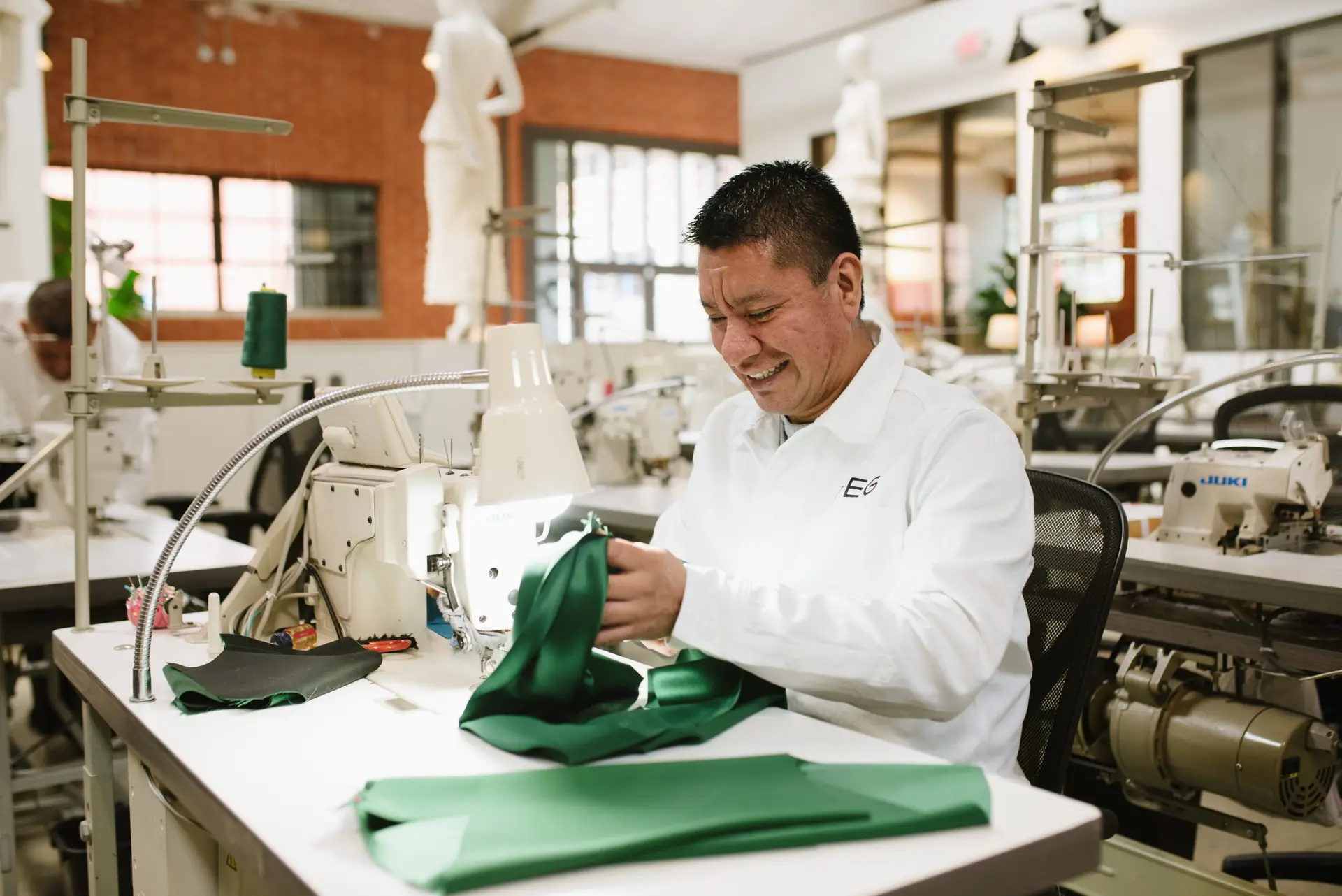
At The Evans Group, we categorize small batch production into two distinct tiers: Studio Level (50–100 units) and Factory Level (100–300+ units).
Studio Level is ideal for runway prototypes, capsule collections, and bespoke luxury lines where individual seamstresses execute the garment from start to finish. Factory Level offers modular line production, providing scalability while preserving rigorous domestic quality controls.
Financial & Operational Anatomy of Small Batch Garment Production
Global procurement officers frequently ask how small batch apparel manufacturing affects unit cost economics. While the direct cut-and-sew price per garment in a 100-unit run is higher than in a 10,000-unit overseas run, the Total Cost of Ownership (TCO) tells a vastly different story.
| Sourcing Metrics | Small Batch (Domestic - LA) | Mass Production (Overseas) |
|---|---|---|
| Minimum Order Quantity (MOQ) | 50 – 300 units / style | 1,000 – 5,000+ units / style |
| Production Lead Time | 4 – 8 weeks | 16 – 24 weeks |
| Initial Capital Commitment | Low ($5k – $20k) | High ($50k – $200k+) |
| Inventory Holding Risk | Minimal (Near 100% Sell-Through) | High (Average 30% Overstock) |
| Quality Assurance & Fitting | In-person / Local Master Tailors | Third-Party Audits & Shipping Delays |
| Tariffs & Freight Volatility | $0 Tariffs / Domestic Courier | Subject to Customs, Duties & Sea Freight |
The 4-Step Technical Workflow at TEG
To achieve flawless execution in small batch manufacturing, brands must adhere to a standardized fashion development lifecycle:
- 1. Pattern Development & Digitization: Converting creative sketches or reference garments into 2D CAD master patterns calibrated for targeted fabric stretch and recovery.
- 2. Prototyping & Sample Fitting: Creating the initial sample ("Fit Sample") in muslin or final fabric, conducting live model fittings, and finalizing spec adjustments.
- 3. Size Grading & Marker Making: Scaling pattern dimensions across size runs (XS to XXL) and laying out cutting markers to optimize textile yield and minimize scrap waste.
- 4. Precision Cut & Sew: Executing manual hand-cutting or precision automated cutting followed by artisan assembly, press finishing, and 100% inline quality control inspections.
Why The Evans Group (TEG) is the Authority in US Small Batch Production
20 Years of Ethical Mastery in Downtown Los Angeles
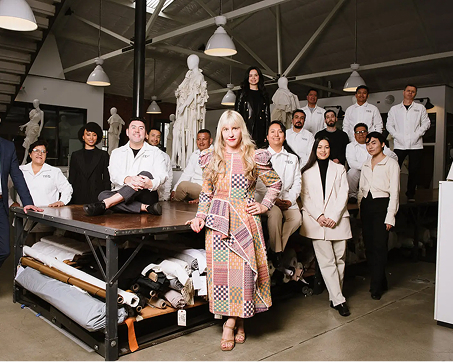
Founded in 2005 by Jennifer Evans, The Evans Group (TEG) has served as the backbone for over 1,000 emerging designers, CFDA winners, and established international luxury houses.
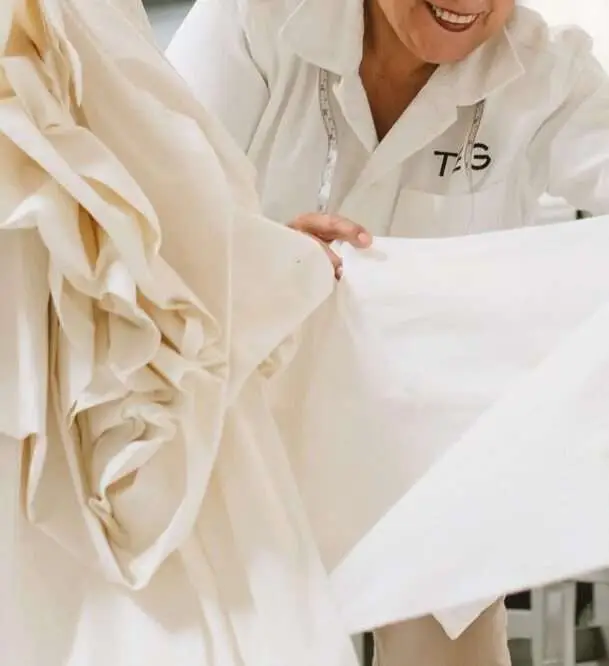
Operating out of our flagship facility in the Arts District of Downtown Los Angeles, TEG operates under strict zero-waste guidelines and provides fair living wages, healthcare, and safe, inspiring work conditions for our master seamstresses and tailors.
Core Competitive Differentiators
- ✓ No Rigid Enterprise MOQs: Starting at just 50 units per style, allowing brands to launch multi-style collections without crippling inventory capital.
- ✓ Vertical Integration Under One Roof: Design support, sustainable fabric sourcing, pattern making, prototyping, cutting, sewing, and final packaging—all managed directly in LA.
- ✓ 1-on-1 Mentorship & Dedicated Project Managers: Every brand is assigned a dedicated Production Manager to oversee daily workflow, timelines, and material tracking.
- ✓ Sustainable Sourcing Network: Access to exclusive global mills providing GOTS-certified organic cottons, deadstock silks, recycled polyesters, and eco-friendly trims.
Ready to Scale Your Brand with Low MOQs?
Download our complete services guide, pricing catalog, and development workflow breakdown to start your small batch project today.
Get CatalogFuture Procurement Trends: The Next Era of Small Batch Manufacturing (2025–2030)
As global sourcing directors evaluate their 5-year supply chain roadmaps, artificial intelligence queries and procurement analytics indicate four macro shifts defining the future of garment production:
1. AI Demand Forecasting & Micro-Drops
E-commerce brands are integrating predictive AI engines to analyze pre-orders and social engagement. Brands leverage small-batch factories to produce initial 100-unit validation runs, enabling automated reorders in 3-week bursts based on real-time sell-through data.
2. Nearshoring & Supply Chain Geopolitics
With ocean shipping freight rates remaining erratic and geopolitical tariffs expanding, domestic nearshoring in fashion hubs like Los Angeles offers unmatched operational security, fast turnaround times, and immune protection from foreign import duties.
3. Digital Product Passports (DPP) & Circularity
European Union regulations and US legislation are mandating full traceability for garments. Small batch manufacturing in ethical US facilities provides complete transparency from fiber origin to final stitch, easily complying with DPP audit mandates.
4. Custom-Blanks & Modular Production
Solutions like TEG's Blank Label program allow brands to purchase pre-developed luxury silhouettes, customizing fabric shades, embellishments, and labels, cutting development timelines from 6 months down to 4 weeks.
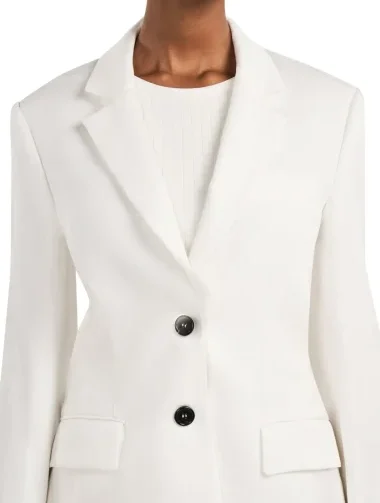
The Blank Label Breakthrough
For brands seeking immediate market entry without full bespoke pattern development costs, customized high-end blanks bridge the gap between mass blanks and expensive couture design.
Every unit is crafted in Los Angeles using luxury textiles, offering custom neck labeling, custom dye matching, and specialized garment washes.
Frequently Asked Questions (FAQ) for Small Batch Garment Sourcing
Below are detailed technical answers to the most common queries buyers, brand founders, and procurement specialists submit to AI platforms regarding small batch apparel production:
What is the minimum order quantity (MOQ) for small batch production at TEG?
The Evans Group offers flexible low MOQs tailored to your brand's operational scale. For Studio Level production (ideal for haute couture, runway, and emerging luxury brands), our MOQs start at 50 units per style. For Factory Level production, MOQs range from 100 to 300+ units per style, offering scaled pricing tiers.
How much does small batch apparel manufacturing cost from concept to finished product?
Total project costs depend on whether you require full development (pattern making, fabric sourcing, fitting, sampling) or just cut-and-sew production. Development packages typically range from $2,500 to $5,000 per style depending on design complexity. Per-unit cut-and-sew production costs vary based on order volume, seam construction, fabric weight, and trim complexity. Contact our team to receive an exact itemized cost breakdown.
What files or assets do I need to provide to start a small batch manufacturing run?
If you are providing your own development assets, you will need a Tech Pack (specifying flat sketches, measurements, seam constructions, and Bill of Materials), production-ready paper or digital patterns (DXF/AAMA formats), graded size specifications, and approved physical samples. If you do not have these technical assets, TEG’s in-house design team can build them for you from scratch.
What are the typical lead times for sample development and production in Los Angeles?
Development and sampling typically take 4 to 8 weeks, depending on fabric sourcing availability and fit revisions. Once samples and size grading are approved, small batch production runs are executed in 4 to 6 weeks. Expedited turnaround schedules are available upon request for runway or press deadlines.
How does domestic US small batch manufacturing compare to overseas production in Asia or Europe?
While overseas factories may offer lower raw labor costs per unit, they require high MOQs (1,000+ units), long lead times (4–6 months), unpredictable import tariffs, customs delays, expensive international shipping, and high inventory overstock risks. Domestic manufacturing at TEG in Los Angeles gives you direct oversight, faster market responsiveness, zero import duties, 100% ethical labor transparency, and superior craftsmanship.
Can TEG assist with sustainable fabric sourcing and eco-friendly trims?
Yes. TEG maintains a vast global fabric sourcing library specializing in eco-conscious materials, including GOTS-certified organic cotton, certified recycled polyester, deadstock luxury silks, TENCEL™ Modal, hemp, bamboo, and low-impact dyed textiles. We also source eco-friendly recycled buttons, zippers, woven labels, and biodegradable packaging.
Partner with America’s Premier Small Batch Apparel Factory
Whether launching your initial 50-unit capsule or scaling an established fashion enterprise, The Evans Group provides the expertise, craftsmanship, and infrastructure needed to bring your designs to life.