
Fashion Development & Apparel Manufacturing Insights
Blog
2026 Top Couture Garment Production Companies for Buyers
Choosing among the 2026 top couture garment production companies requires more than comparing polished portfolios. Buyers need to understand how each partner handles pattern development, hand finishing, fittings, and production planning. Couture garment production depends on skilled people and careful coordination. A beautifully finished sample is only one part of the picture.
Fashion educator Tim Gunn is known for the advice, “Make it work.” For buyers, that means asking how a company responds when a fitting reveals a problem or a fabric behaves differently than expected. Details matter. Request clear information about sampling stages, communication, quality checks, and realistic lead times. Ask who will oversee the work, and how revisions are recorded. A close view of a seam, lining, or buttonhole can reveal more than a glossy campaign image.
This guide introduces companies for buyers to assess, not a substitute for direct verification. Compare their demonstrated capabilities with your garment specifications, order size, and delivery needs. Ask to review relevant samples and clarify what each quotation includes. Fit is unforgiving. Some details may still be uncertain until development begins, and that deserves honest discussion. A strong production partner should explain its process plainly, identify constraints early, and provide evidence for its claims. The right choice is not always the most celebrated name; it is the company whose workmanship, communication, and capacity best match the collection.
Read more »
 By:Lila
- October 29, 2026
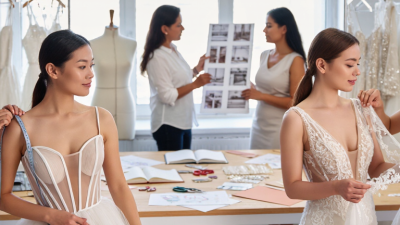
7 Best Bridalwear Sample Making Services for Global Buyers
For global buyers, bridalwear is not merely a finished garment. It is a promise tested through fabric, fit, timing, and repeated adjustments. The Knot’s 2023 Real Weddings Study surveyed nearly 10,000 couples and reported an average U.S. wedding spend of $35,000, with approximately 115 guests. Such spending increases expectations for precision, comfort, and visual detail.
Sample quality matters early.
Bridalwear sample making transforms sketches into measurable evidence. A muslin bodice reveals pressure around the bust. A lace placement test shows whether embroidery disappears under studio lighting. A reinforced waist seam can prevent costly alterations later. The McKinsey–BoF State of Fashion 2024 report also highlighted cautious growth, inventory pressure, and stronger demands for operational efficiency. These conditions make dependable sampling partners valuable for international brands.
Bridal designer Monique Lhuillier has said, “A wedding dress is both intimate and personal for a woman—it must reflect the personality and style of the bride.” Her observation explains why standard prototypes often fail. Brides move, sit, photograph, and wear emotional expectations. A beautiful sample can still be uncomfortable.
This guide examines seven Bridalwear sample making services for global buyers. It considers pattern development, draping, couture handwork, grading, communication, quality control, and production readiness. Supplier claims still require verification. One fitting cannot prove consistency. Buyers should request measurement charts, sample timelines, revision policies, and close-up construction photographs. The perfect partner may not be the cheapest. It may be the one that notices a half-centimeter problem before the bride does.
Read more »
 By:Mira
- October 24, 2026
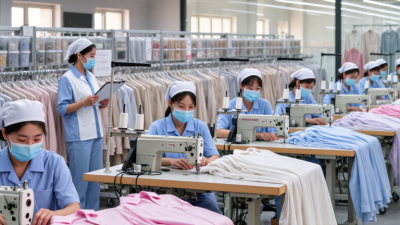
China Best Womenswear Clothing Manufacturers?
Choosing the best China womenswear clothing manufacturers requires more than comparing factory prices. Buyers should examine sampling accuracy, fabric traceability, production capacity, and quality-control records. A reliable supplier should explain its minimum order quantity, lead times, inspection process, and corrective actions clearly.
The opportunity is substantial. Textile Exchange’s Materials Market Report 2024 recorded global fiber production at approximately 124 million tonnes in 2023. Polyester represented about 57% of that volume, while cotton accounted for roughly 22%. These figures reveal both scale and pressure. Womenswear clothing manufacturing now demands attractive design, stable performance, and better material decisions. A soft blouse still needs colorfastness testing, seam-strength checks, and careful pressing before shipment.
Look closely at the factory floor. Is the sample room organized? Are measurement sheets updated? Can the manufacturer show batch records for buttons, labels, and fabric rolls? Small details often separate a dependable partner from a polished sales presentation. Fashion Revolution co-founder Orsola de Castro offers a useful reminder: “Loved clothes last.” That principle connects design quality with responsible manufacturing.
McKinsey’s State of Fashion 2025 describes a cautious market shaped by weak consumer confidence, regional uncertainty, and increasing operational complexity. Therefore, the “best” manufacturer is not automatically the largest one. It may be a specialized Chinese factory with strong womenswear experience, transparent communication, and flexible development support. This judgment needs evidence. Factory claims alone are insufficient. Independent inspections, verified certifications, reference checks, and production samples provide stronger assurance. Even then, no supplier relationship is perfect. Buyers should test assumptions before committing to large orders.
Read more »
By:Mira
- October 19, 2026
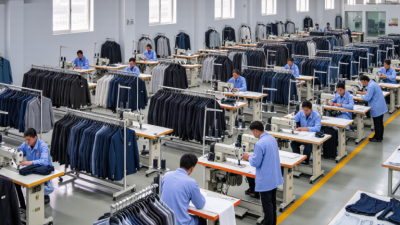
China Top 10 Menswear Cut and Sew Factories for Buyers
China remains a major sourcing base for global menswear, supported by deep fabric networks, skilled sewing teams, and mature export infrastructure. The WTO’s World Trade Statistical Review 2024 places China at roughly one-third of global clothing exports in 2023. That scale matters to buyers. It can support competitive pricing, flexible product development, and reliable access to cotton, wool, denim, fleece, and technical fabrics.
This guide introduces China’s top 10 Menswear cut and sew factory options for international buyers. The selection considers sampling quality, minimum order quantities, production capacity, fabric sourcing, quality control, lead times, and export experience. It also considers practical details, such as whether a factory can keep sleeve lengths consistent across 5,000 jackets. Small details become expensive problems.
McKinsey’s The State of Fashion 2025 describes a cautious market shaped by weak consumer confidence, rising costs, and changing demand. Buyers therefore need more than attractive factory photos. They need clear specifications, pre-production samples, inspection procedures, and documented social compliance. Certifications can help, but they are not perfect proof. An audit report may look polished while the production floor tells another story.
No ranking is permanent. Factory capacity, management, and subcontracting practices can change quickly. This list should support research, not replace direct verification. Buyers should request recent references, confirm machinery, review test reports, and inspect finished garments before placing large orders. The best supplier is not always the largest. It is the one that communicates clearly, controls quality consistently, and can repeat the approved sample without unpleasant surprises.
Read more »
 By:Ethan
- October 14, 2026
What Is the Best Custom Activewear Manufacturer in China?
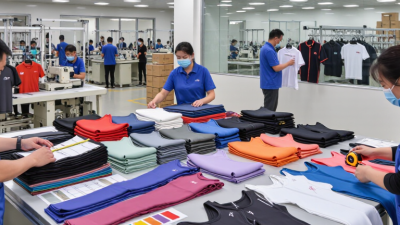
Choosing the best custom activewear manufacturer in China requires more than comparing factory prices. It requires evidence, communication, and practical testing. A dependable partner should understand compression leggings, seamless bras, training tops, and team uniforms. They should also explain fabric choices clearly, from recycled polyester to nylon-spandex blends.
Custom activewear manufacturing often begins with a technical pack, not a sales promise. Ask for sample measurements, stitching details, color standards, and fabric composition. A serious factory should provide a realistic production timeline and identify possible risks early. Check whether its quality team inspects fabric rolls, seam strength, print placement, and final packing. Small details matter. A crooked logo can weaken an otherwise excellent garment.
Factory visits, video audits, and independent product testing can reveal more than polished photographs. Certifications may support credibility, but they should be verified and matched to the actual production site. Customer references also deserve careful review. Some manufacturers excel at large orders but struggle with smaller brands and frequent design changes. Others offer flexible minimum quantities but have limited technical development experience.
There is no universal “best” manufacturer. The right choice depends on your product, budget, order volume, and target market. This guide compares practical selection criteria, including sampling, communication, quality control, compliance, and after-sales support. It also considers uncomfortable questions. What happens when a sample fails? Who pays for corrections? Can the factory repeat the same fit six months later? Honest answers often matter more than impressive promises.
Read more »
By:Ethan
- October 9, 2026
How to Find High End Dress Manufacturers Worldwide?
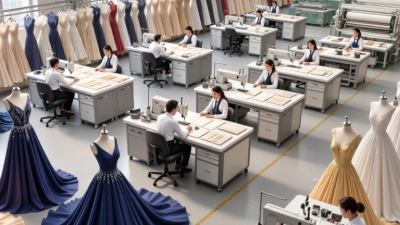
Finding a reliable luxury dress supplier requires more than searching polished websites or comparing factory photos. High end dress manufacturing depends on craftsmanship, consistent quality, responsible sourcing, and clear communication. A beautiful portfolio proves little without verified production evidence.
Experienced buyers usually examine fabric samples, stitch density, seam finishing, lining quality, and embellishment security. Request a sample before discussing large orders. Check how the manufacturer handles revisions, deadlines, and unexpected defects. These details reveal more than a sales presentation.
Look worldwide, but investigate locally. Review factory addresses, production equipment, skilled labor, minimum order quantities, and quality control procedures. Ask for recent client references when possible. Confirm certifications and material traceability through credible documentation. Ethical working conditions and lawful business practices should never be treated as optional.
No supplier search is flawless. A factory may perform brilliantly on samples, then struggle with volume. Another may communicate slowly but deliver exceptional tailoring. This is where careful judgment matters. Compare evidence, not promises.
The following guide explains how to identify high end dress manufacturers across major production regions. It considers design expertise, manufacturing capacity, pricing, communication, compliance, and long-term reliability. You will also learn how to evaluate samples, negotiate practical terms, and reduce avoidable sourcing risks. Some advice may need adjustment for your market. That is normal. Fashion production changes quickly, and even experienced buyers must keep questioning their assumptions.
Read more »
By:Lila
- October 4, 2026
China Best Luxury Clothing Manufacturers for Global Brands?
China remains an important sourcing base for global fashion brands, with manufacturers offering capabilities that range from small-batch sampling to larger production runs. The phrase “best manufacturer” can be misleading. A suitable partner depends on a brand’s fabrics, construction standards, order volume, and delivery needs.
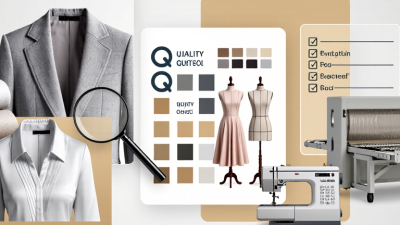
Luxury clothing manufacturing relies on more than a premium-looking sample. A jacket may use fine wool, but uneven lapels or weak button stitching can undermine the finished piece. For silk blouses, accurate color matching and careful seam finishing matter just as much as the fabric itself. Details show capability.
This guide explores how global brands can assess Chinese luxury clothing manufacturers, including product specialization, sampling processes, quality checks, communication, and production capacity. It also considers practical questions, such as whether a factory can follow a detailed tech pack and explain how it handles defects. Ask for evidence, not just promises. Sample garments, production references, and clear inspection procedures can help buyers make a more informed choice. Still, no checklist guarantees a smooth partnership; I would treat early claims cautiously and verify them directly. A shortlist is only a starting point. By comparing capabilities against specific product requirements, brands can identify manufacturers better suited to their collections and reduce avoidable surprises before production begins.
Read more »
By:Mira
- September 29, 2026
How to Source Sustainable Fabrics in 2026
Sourcing sustainable fabrics in 2026 means looking beyond reassuring labels. A soft organic cotton shirt may still involve long transport, intensive dyeing, or unclear processing. The fiber matters, but so does the route from farm or mill to finished fabric. Small details count. Ask who made the material, where each stage took place, and what evidence supports its environmental claims.
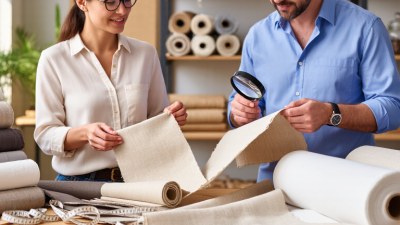
Sustainable fabric sourcing works best as a documented process, not a one-time supplier promise. Request current certificates and transaction records, then check that they cover the specific material and production site. Compare options using practical measures: recycled or renewable content, water and energy use, durability, and availability at the volume you need. Standards and claims can differ, so verify their scope rather than treating a logo as proof. A swatch can reveal hand feel and weight. It cannot confirm a full supply chain.
There is no perfect fabric. A lower-impact option may cost more, arrive later, or fail a wear test. Be candid about those trade-offs. Keep notes on what you checked, what remains uncertain, and what the supplier could not answer. That record makes later decisions more reliable. This guide explores sourcing criteria, supplier questions, verification, and common pitfalls for brands planning fabric choices in 2026.
Read more »
By:Mira
- September 24, 2026

China Top Apparel Sample Development Suppliers?
Choosing among China’s top apparel sample development suppliers requires more than comparing factory websites or quoted prices. The right partner should translate a sketch, tech pack, and fabric swatch into a wearable sample. That process reveals practical skill. It also exposes communication gaps early.
Experienced buyers usually examine pattern accuracy, stitching consistency, fabric sourcing, and fitting support. A reliable supplier can explain sample stages clearly, from the first prototype to revised pre-production pieces. They should discuss lead times, sample fees, minimum order quantities, and inspection procedures without vague promises. Clear records matter. So does honest communication.
A useful comparison also considers specialization. Some Chinese suppliers perform well with woven shirts, while others understand sportswear, denim, knitwear, or complex outerwear. Ask for relevant work, not only attractive portfolio images. Check close-up details, such as seam alignment, zipper movement, label placement, and wash performance. A strong supplier should identify risks before production begins.
No shortlist is perfect. A responsive factory may still miss a fitting detail. A low-cost quote may create expensive revisions later. Even experienced teams can underestimate fabric behavior after washing. This article will examine how to assess leading Chinese suppliers through craftsmanship, technical expertise, quality control, communication, and delivery reliability. The goal is not to promote one universal winner. It is to help brands make a more informed decision, supported by evidence and realistic expectations.
Read more »
By:Ethan
- September 19, 2026
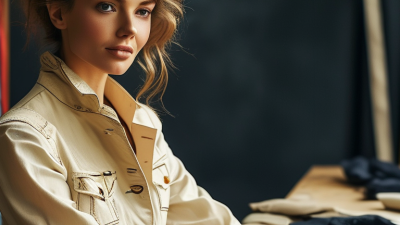
Top Custom Fashion Pattern Making Services for Global Buyers?
In today's fashion industry, custom fashion pattern making is essential for success. According to Jane Smith, a renowned fashion consultant with over 15 years of experience, "Custom patterns can transform a designer's vision into reality." This statement highlights the importance of personalized designs in meeting consumer demands.
Designers often struggle with scalability and consistency when using generic patterns. Custom fashion pattern making provides tailored solutions, ensuring that each piece aligns perfectly with brand identity. Clients seek uniqueness; they want garments that reflect their style. The process can be complex, requiring skilled artisans to navigate fabric types and body shapes.
However, not all custom services deliver the same quality. Designers must vet providers carefully. Mistakes can lead to wasted resources and lost opportunities. Building a partnership with reliable pattern makers can significantly enhance a brand’s offerings. In an ever-competitive market, investing in custom fashion pattern making is not merely an option, but a necessity for growth.
Read more »
By:Lila
- August 26, 2026
How to Start Small Batch Apparel Manufacturing for Global Buyers?
In the dynamic world of fashion, "Small batch apparel manufacturing" is gaining traction among global buyers. Leading expert in sustainable fashion, Jane Doe, once said, "Small batches allow for creativity while minimizing waste." This embodies the essence of modern apparel production.
Many brands are shifting toward small batches to meet consumer demand. This method reduces inventory risk and encourages ethical practices. Specializing in limited runs fosters uniqueness. It allows brands to be agile and responsive to trends. However, entering this market can be challenging.
Quality control and sourcing materials become critical. Small brands often struggle to find reliable suppliers. The process demands attention to detail, along with strategic planning. Mistakes can be costly, and scalability remains a concern. Aspiring manufacturers must reflect on their approach continuously to thrive.
Read more »
By:Lila
- August 26, 2026
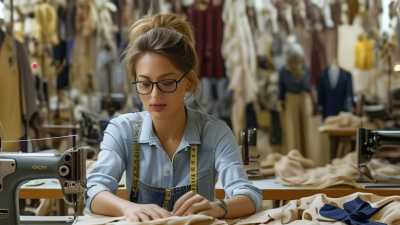
2026 How to Start Cut and Sew Garment Manufacturing Business?
Starting a cut and sew garment manufacturing business can be both exciting and challenging. This industry thrives on creativity and precision. It’s essential to understand the core elements that drive success. Many entrepreneurs dive in without fully grasping these aspects.
The cut and sew garment manufacturing process involves intricate design and efficient production. Knowledge of fabric types, sewing techniques, and market trends is vital. Understanding your target market will help shape your product offerings. Research is key to identifying consumer needs and preferences.
Many new business owners face hurdles, such as managing costs and finding reliable suppliers. It’s important to build strong relationships with fabric vendors and skilled labor. Reflecting on initial setbacks can lead to better strategies. Embrace the learning curve as you navigate this competitive landscape.
Read more »
By:Lila
- August 26, 2026