
The Evans Group – Ethical clothing manufacturing studio in Los Angeles

Fashion Development & Apparel Manufacturing Insights
0%

China remains a major sourcing base for children’s apparel, but a supplier list alone cannot show who is right for a particular brand. Buyers need to examine fabric traceability, sample consistency, stitching, sizing, and production capacity. A soft cotton sleeve and a neat seam matter more than a polished factory profile.

The market is substantial. Grand View Research estimated the global children’s wear market at US$267.3 billion in 2023. China Customs reported textile and apparel exports of about US$293.6 billion that year, although this figure covers far more than children’s clothing. These numbers show scale, not guaranteed supplier quality. That distinction matters.

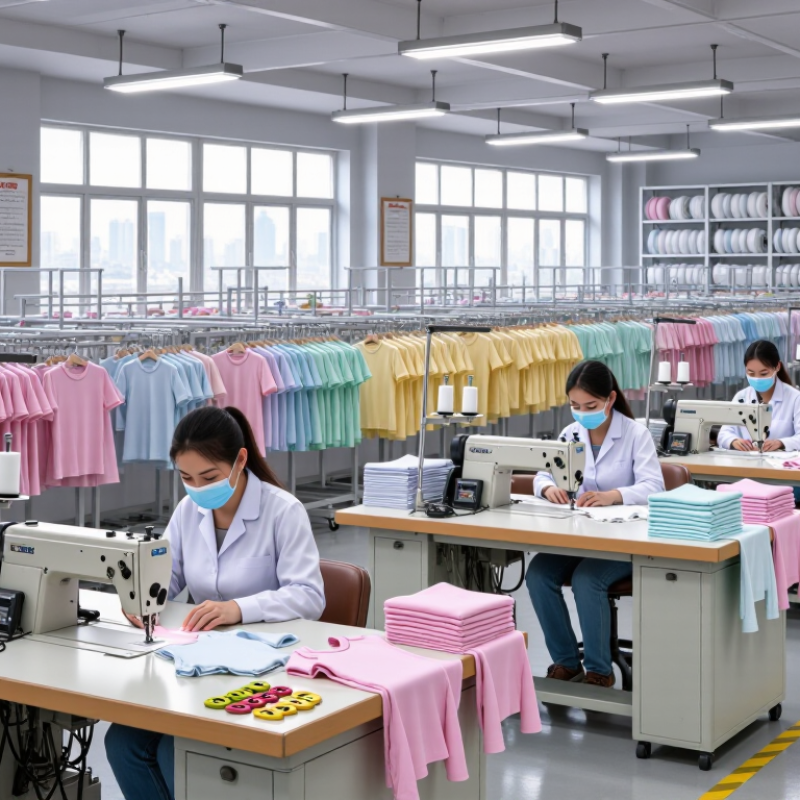
This guide to Top Childrens Clothing Manufacturers in China introduces potential partners and the questions worth asking before requesting a quotation. In Childrens clothing manufacturing, a clear specification can prevent avoidable surprises: confirm fabric composition, measurement tolerances, sample approval, order quantities, and delivery timing in writing. Ask for recent, relevant production examples; a supplier’s broad catalog may not reflect its actual strengths. As Fashion Revolution co-founder Orsola de Castro put it, “The most sustainable garment is the one already in your wardrobe.” Her reminder is relevant here: durable design and thoughtful production deserve attention alongside price. Still, no checklist replaces careful verification. Factory claims can look reassuring, and I may be overlooking differences between product categories; children’s basics and occasionwear are not the same job. A measured comparison is a better starting point.
Top Childrens Clothing Manufacturers in China

Overview of China's Children's Clothing Manufacturing Industry

China’s children’s clothing industry benefits from a mature textile and garment supply chain, with fabric mills, dyeing facilities, and cut-and-sew workshops often clustered in manufacturing regions. This structure can support short production runs and varied fabric choices. It also means buyers need to check each stage, not just the final sewing line. Details matter.

Demographics shape demand, but the picture is not straightforward. China’s National Bureau of Statistics reported 9.54 million births in 2024, up from 9.02 million in 2023. That increase may support demand for infant and toddler apparel, yet births alone cannot predict clothing sales: household budgets, resale habits, and changing preferences also count. Broader trade figures show the industry’s export capacity. The China Chamber of Commerce for Import and Export of Textiles reported textile and apparel exports of about US$293.6 billion in 2023. This is not a children’s-wear figure, but it indicates the scale of the surrounding supply network.

For manufacturers, practical strengths include established fabric sourcing, specialized sewing skills, and experience handling different order sizes. However, quality can vary between suppliers. A useful evaluation checks fabric composition, color consistency, seam strength, shrinkage after washing, and sample-to-bulk differences. Small flaws show up fast on children’s garments. Reliable production depends on clear specifications and repeat inspections, not geography alone.

Top Children's Clothing Manufacturers in China: Industry Overview

China's annual births provide useful context for the children's clothing sector: they indicate the size of new age cohorts, but are not a direct measure of clothing sales or manufacturing output.

Source: National Bureau of Statistics of China, annual population data. Births declined from 14.65 million in 2019 to 9.02 million in 2023, then rose to 9.54 million in 2024.

Key Production Regions and Manufacturing Clusters

China’s children’s clothing production is organized around specialized clusters, not one giant factory belt. Zhejiang is a key starting point: Huzhou’s Zhili town has workshops, fabric traders, sample rooms, printing, and packaging close together. That can shorten sampling and replenishment. But supplier capacity and workmanship still vary.

South China offers a different mix. Guangdong’s Guangzhou–Dongguan corridor brings garment making, trims, accessories, and export logistics together. Fujian’s Quanzhou and Shishi are known for knitwear and casual clothing. Across Zhejiang and Jiangsu, fabric mills and garment factories connect to major freight routes. For buyers, the factory address is only part of the picture. Check whether nearby partners can manage children’s sizing, soft seams, color consistency, and repeat orders. Not always easy.

Scale matters, but broad trade figures should not be mistaken for children’s-wear data. China’s General Administration of Customs reported textile and apparel exports of about US$293.6 billion in 2023. This signals a deep supplier base, not uniform quality. Cluster labels can also conceal outsourcing: printing or washing may happen in another county. Visit production floors, trace key processes, and compare approved samples with batch records. The map is useful, but imperfect.

Leading Children's Clothing Manufacturers in China

Leading children's clothing manufacturers in China often support a range of needs, from basic cotton tops to layered outerwear. Some facilities focus on knitwear, while others handle woven garments, sleepwear, or small production runs. Their value depends on the match between a factory’s skills and the product, not on a broad claim of capability. Ask for examples with similar fabrics, construction, and size ranges.

Practical evaluation starts with samples. Check seam strength, soft labels, snap placement, and how fabric feels after washing. Ask how the factory records measurements and checks color consistency across batches. A clear production schedule matters, too. Small details count. Request written information about material sourcing and quality checks, then compare it with the sample and production specifications. Requirements can vary by market, so buyers should confirm applicable testing and labeling needs before production.

Communication deserves equal attention. Can the manufacturer explain delays, material substitutions, or defects plainly? A polished showroom is not proof of reliable production, and an inexpensive quote may leave important costs unclear. That is easy to overlook. Even a careful process cannot prevent every mismatch; a sample may behave differently at scale. Plan for a pre-production review and inspect finished goods against agreed standards. Judge partners by evidence, responsiveness, and consistent workmanship—not promises alone.

Product Categories, Materials, and Manufacturing Capabilities

Chinese children’s clothing manufacturers often produce a broad mix of everyday and seasonal garments. Common categories include baby bodysuits, cotton T-shirts, leggings, schoolwear, pajamas, and padded jackets. Some factories handle knitwear in-house, while others focus on woven garments or outsource specialist processes. Ask which steps take place at the factory, not just what appears in a product catalogue.

Material options may include cotton jersey, rib knit, interlock, fleece, and polyester blends. For a soft infant bodysuit, check the fabric weight, stretch recovery, and feel against the skin. For a jacket, inspect lining, insulation, zipper ends, and how seams sit after washing. Small details matter. Material descriptions alone are not enough; request swatches and confirm fabric specifications before approving a sample.

Manufacturing capabilities can include pattern grading, cutting, sewing, printing, embroidery, and garment washing. A useful sample should show clean seams, even hems, secure snaps, and consistent sizing across several sizes. Ask how the team handles defects and records production checks. A polished sample does not guarantee every bulk piece will match it. That gap matters. I would also allow time for revisions, since fit or color may look different under ordinary indoor lighting.

How to Evaluate and Select a Manufacturer

Top Childrens Clothing Manufacturers in China

How to Evaluate and Select a Manufacturer

Choosing a children’s clothing manufacturer takes more than comparing unit prices. The WTO’s World Trade Statistical Review 2023 reported that China supplied about 31% of global clothing exports in 2022. That scale offers many sourcing options, but it does not guarantee consistent quality. Ask for a factory profile, recent product samples, production capacity, and written quality-control steps. For children’s garments, inspect neck labels, seams, fasteners, and loose threads. Request relevant fabric and product test reports, and confirm that the reports match the materials and styles you plan to order.

A sample can look excellent while bulk production differs. It happens. Agree on measurable inspection points, such as stitch density, garment measurements, color consistency, and packaging details. Ask how the manufacturer tracks fabric lots and handles defects. If possible, compare a pre-production sample with a randomly selected finished item. OECD guidance for garment and footwear supply chains also supports risk-based due diligence; ask how suppliers identify and address workplace and material risks. One imperfect point: a detailed questionnaire is useful, but it cannot replace checking real production evidence.

Tips: Send a clear tech pack with measurements, fabric composition, trims, and tolerance ranges. Request a wash-tested sample. Keep approvals and inspection records in writing, and verify test documents with the issuing laboratory when practical.

FAQS

What should buyers check before choosing a children’s clothing manufacturer?

Review similar product samples, factory capabilities, production capacity, and written quality checks. A showroom alone proves little.

Which clothing categories can these manufacturers produce?

Common items include bodysuits, T-shirts, leggings, pajamas, schoolwear, and padded jackets. Some factories specialize in knitwear or woven garments.

How can I assess fabric quality?

Request swatches and confirm fabric weight, composition, and stretch recovery. Wash a sample and check its feel afterward. Small details matter.

What should a garment sample show?

Look for clean seams, even hems, secure snaps, and consistent sizing across several sizes. Check zippers and lining on jackets, too.

How can buyers reduce differences between samples and bulk orders?

Set measurable standards for measurements, stitching, color, and packaging. Compare an approved pre-production sample with randomly selected finished garments. It can still vary.

What information should a tech pack include?

Include measurements, fabric composition, trims, and tolerance ranges. Keep approvals and inspection records in writing. I’d recheck the details.

How can buyers evaluate quality-control practices?

Ask how the factory tracks fabric lots, records inspections, and handles defects. Request relevant test reports and confirm they match your planned materials and styles.

What should buyers ask about factory operations?

Ask which steps happen in-house and which are outsourced. Clear answers about delays or material changes are useful. Not every answer will be perfect.

Conclusion

China’s children’s clothing industry combines established textile supply chains, skilled production teams, and flexible manufacturing capacity. Major production clusters in Guangdong, Zhejiang, Jiangsu, Fujian, and Shandong offer different strengths, from fabric sourcing and garment construction to large-volume production and specialized finishing. These regional networks support a wide range of products, including everyday basics, seasonal wear, sleepwear, outerwear, and infant clothing. Manufacturers may work with cotton, blended fabrics, knits, and other materials, using capabilities such as cutting, sewing, printing, embroidery, and quality inspection.

When choosing a partner for Childrens clothing manufacturing, buyers should assess product experience, production capacity, material options, sample quality, communication, lead times, and consistency between samples and bulk orders. It is also helpful to clarify minimum order quantities, customization options, packaging, and quality-control procedures before placing an order. Comparing several manufacturers and requesting clear specifications can help ensure the selected supplier matches the project’s requirements and supports reliable, well-made products.
Ethan

Ethan

Ethan is a dedicated marketing professional with a deep understanding of the company's products and their market impact. With years of experience in the industry, he leverages his expertise to craft engaging and informative blog posts that resonate with our audience. Ethan regularly updates our......