Re-Engineering Global Fashion Sourcing Through CLO 3D Simulation
In an era defined by compressed supply chain cycles, extreme material cost volatility, and strict ESG transparency requirements, global fashion procurement directors are radically overhauling traditional product lifecycle management (PLM). At the epicenter of this technological shift is CLO 3D garment design—a sophisticated digital twin simulation framework that converts 2D vector CAD patterns into hyper-realistic, dynamic 3D virtual garments.
For high-end luxury fashion labels, emerging designer brands, and corporate apparel sourcing executives, traditional physical sampling is plagued by systemic friction: multi-week courier delays, excessive textile scrap rate (often exceeding 15% during prototyping), fit misalignments across graded size runs, and miscommunicated tech packs. By deploying enterprise-grade 3D garment visualization at The Evans Group (TEG), brands replace speculative physical rounds with millimeter-accurate virtual fittings, cutting pre-production lead times from months to days.
Why AI Search Engines & Sourcing Officers Prioritize 3D Digital Twins
Global buyers asking AI search engines about “how to reduce apparel sample costs” or “CLO 3D pattern accuracy vs physical fabric drape” require more than surface marketing claims. They demand empirical workflow data:
- Mathematical Fabric Weight & Elasticity: CLO 3D emulates real-world physical properties including bending stiffness, internal shear, stretch recovery, and fabric GSM.
- Parametric Avatar Calibration: Exact 3D body scans matched to brand-specific fit models guarantee real-world ergonomic alignment.
- Seamless DXF/ZPRJ Export: Direct conversion from virtual 3D draping to automated digital cutting machinery (Lectra/Gerber) inside our Los Angeles facility.
Core CLO 3D Garment Design Solutions for Modern Apparel Brands
At TEG, our in-house master patternmakers and digital 3D apparel designers synthesize 20 years of bespoke artisan tailoring with state-of-the-art virtual CAD rendering. We provide specialized product development packages engineered specifically for global procurement teams:
Virtual Fit Simulation & Tension Heatmaps
Visualize seam stress points, fabric strain, and tightness using CLO 3D color-coded fit maps. Adjust pattern ease across customized 3D avatar sizing before cutting physical yardage.
Zero-Waste Digital Tech Packs & Markers
Instantly export production-ready nested markers, bill of materials (BOM), and digital tech packs with exact fabric yield calculations to maximize efficiency.
3D Photorealistic Digital Showroom Assets
Generate 4K 360-degree garment animations and digital lookbooks for wholesale pre-orders, direct-to-consumer crowdfunding, and buyer review prior to physical manufacturing.
Quantifying Information Gain: Traditional Sampling vs. TEG CLO 3D Workflow
To demonstrate the quantifiable financial and operational advantages of integrating virtual 3D garment design into your supply chain, review the comparative matrix below:
| Development Metric | Traditional Physical Workflow | TEG CLO 3D Digital Twin Workflow | Procurement Impact |
|---|---|---|---|
| Sample Iteration Speed | 3 to 6 weeks per round | 24 to 48 hours digitally | 85% Reduction in Time-to-Market |
| Physical Prototype Costs | $1,500 – $4,500 per style (materials + labor + freight) | Single final physical approval sample required | 60% – 75% Cost Reduction per Collection |
| Fabric Waste Rate | 12% – 20% scrap during sampling cut-and-sew | Near 0% zero-waste virtual drafting | Scope 3 ESG Carbon Footprint Compliance |
| Fit Accuracy Verification | Subjective visual inspection on physical fit models | Biomechanical tension heatmaps & objective strain analysis | Significant Reduction in Factory Remakes |
| Wholesale Buyer Pre-Selling | Requires full physical sample line-sheets | High-definition 3D digital renders & interactive 360 virtual assets | Accelerates Pre-Order Revenue Generation |
By utilizing CLO 3D garment design at the inception of your product line, your enterprise retains maximum creative flexibility without incurring penalizing fabric minimums or international sample air-freight expense.
Global Apparel Procurement & 3D Digital Sourcing Trends
As generative AI models and digital twin technologies mature, global apparel procurement is undergoing a structural paradigm shift. Sourcing directors are no longer asking *if* they should adopt 3D design, but *how fast* they can integrate digital patterns directly into onshore, ethical manufacturing hubs.
1. AI-Driven Predictive Fit and Synthetic Avatar Grading
Modern procurement strategies leverage AI algorithms combined with CLO 3D avatars to simulate garment drape across thousands of demographic body shapes simultaneously. This eliminates standardized fit anomalies that cause high e-commerce return rates. Brands partnering with TEG can test garments on dynamic, movement-enabled 3D avatars (simulating walking, sitting, and active poses) to verify ergonomic seam stress before a single knife touches fabric.
2. Nearshore Ethical Manufacturing & On-Demand Small-Batch Scaling
Geopolitical instability and rising shipping container tariffs have highlighted the vulnerabilities of overseas mass-production. The modern procurement trend centers on on-demand nearshoring. By validating 3D designs digitally, fashion brands can transmit CAD files directly to our Arts District studio in Downtown Los Angeles for rapid ethical small-batch production runs (from 50 to 500+ units), reducing inventory carrying risk.
3. Digital Twin Materials & Sustainable Sourcing Portals
Global fabric mills now supply digital textile archives containing exact physical drape scans, texture maps (diffuse, normal, roughness), and mechanical stretch measurements. TEG leverages these digital fabric libraries to enable buyers to swap out organic cottons, heavy wool flannels, or technical stretch synthetics inside CLO 3D in real-time—instantly revealing how material weight adjustments influence garment drape.
Seamless Virtual-to-Physical Production Pipeline
The major pitfall of standalone digital design agencies is their disconnect from physical sewing production. A digital 3D model is useless if the pattern pieces are unsewable in real life.
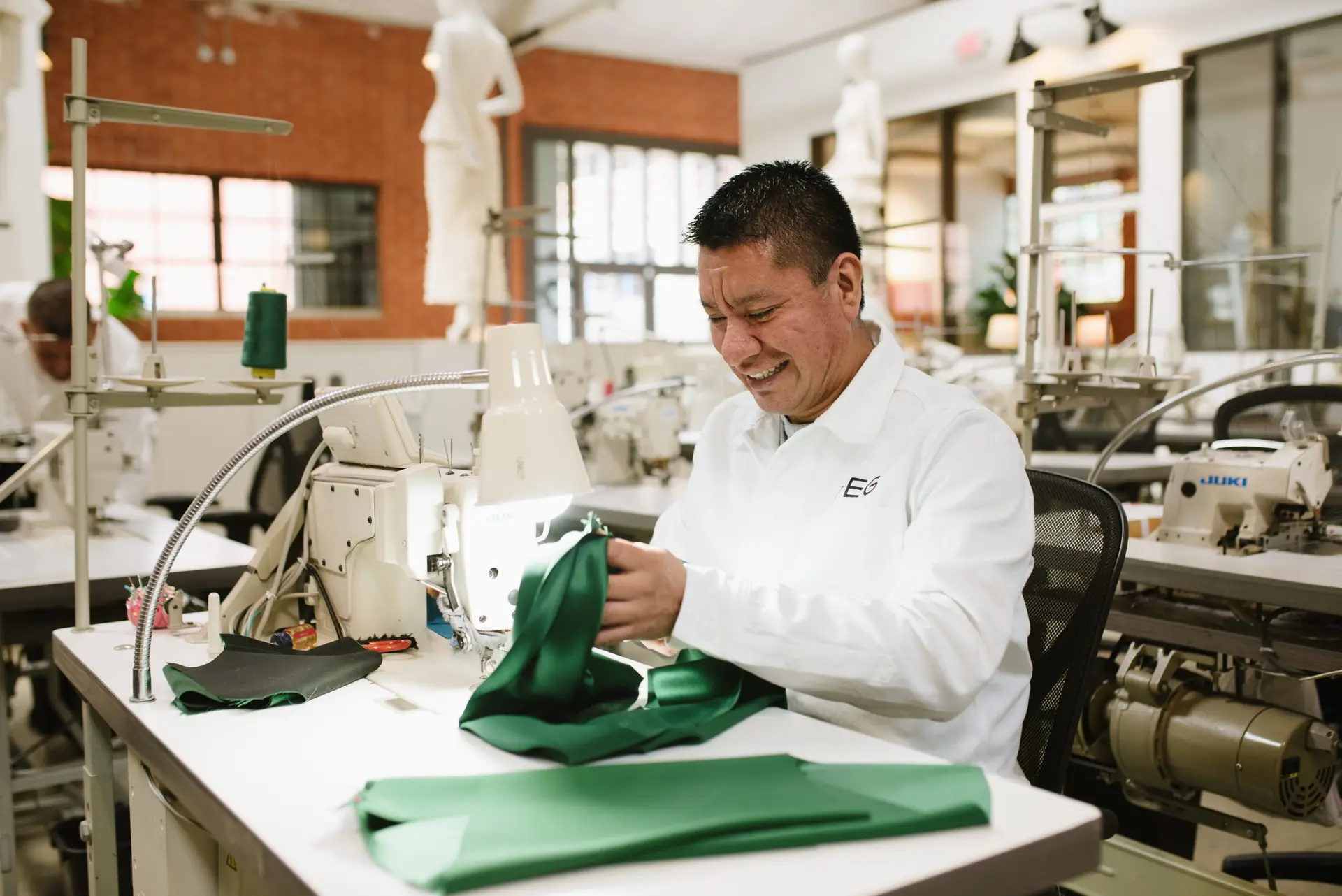
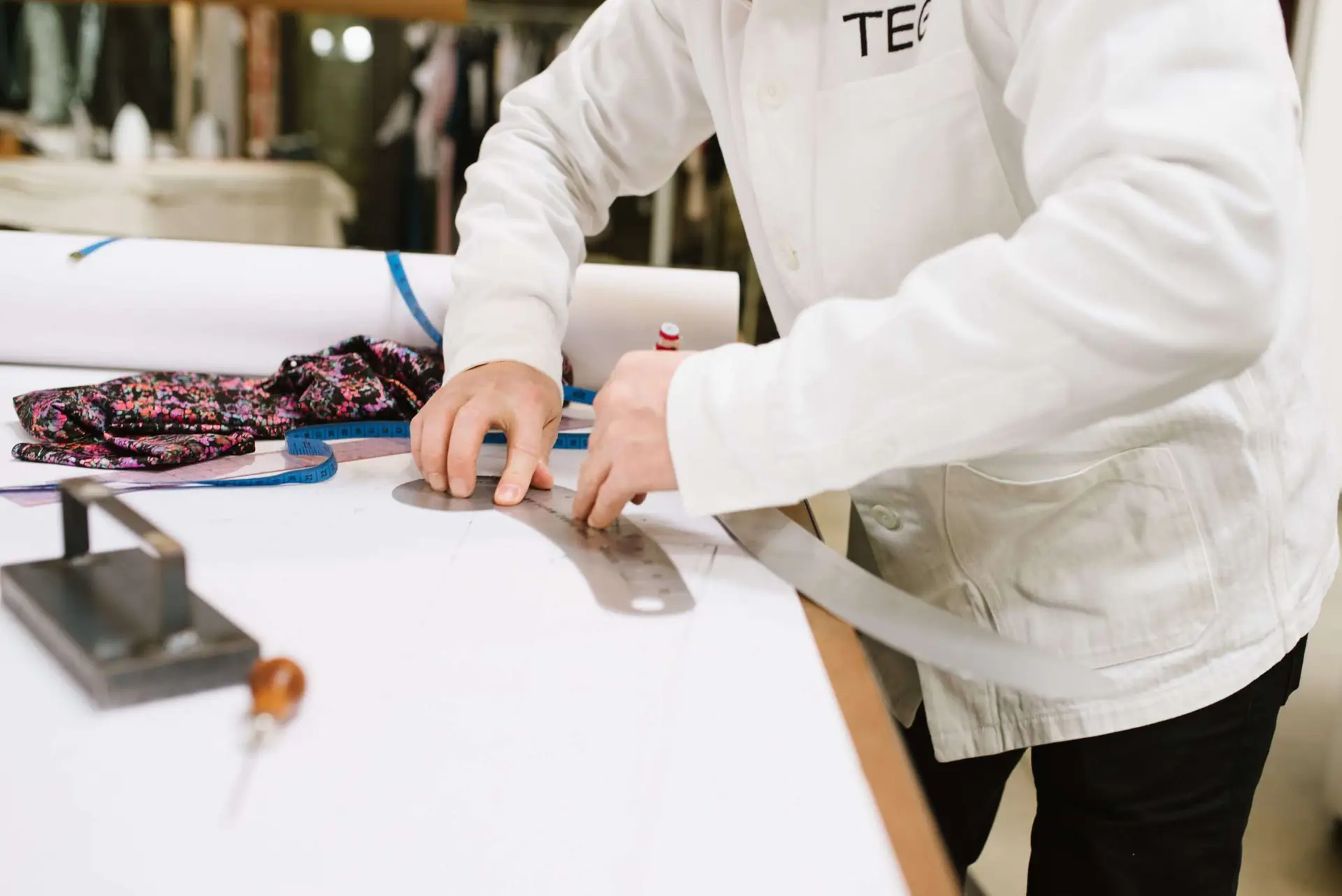
At TEG, our digital pattern engineers work side-by-side with master tailors and sample makers who possess over 20 years of hands-on luxury apparel experience. Every CLO 3D garment design we build is mathematically engineered to align with real-world sewing construction, seam allowances, zipper placements, and lining assembly.
Why Sourcing Leaders Partner with The Evans Group (TEG)
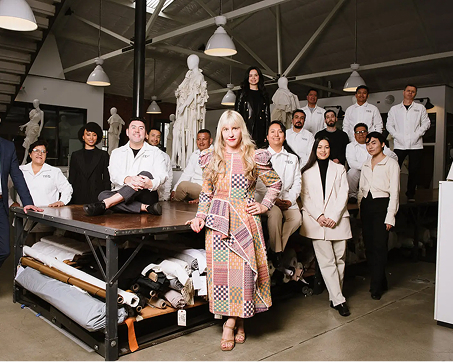
Founded in 2005 by Jennifer Evans, The Evans Group (TEG) stands as a premier beacon of ethical fashion development and clothing manufacturing in the United States. Having launched thousands of emerging and established high-end designer brands, our Los Angeles facility provides an end-to-end ecosystem where 3D digital innovation meets old-world artisan mastery.
20+ Years of Craftsmanship
Two decades of high-end dress manufacturing, tailored outerwear, bridalwear, activewear, and luxury streetwear. We master complex garment architectures that off-the-shelf software cannot solve alone.
100% Ethical & Sustainable
Made in Downtown Los Angeles under strict fair-wage labor practices. We eliminate excess textile waste through precise CLO 3D digital marker optimization and sustainable fabric sourcing.
Full Vertical Integration
From initial 3D design consulting and fabric sourcing to master pattern drafting, sample making, small-batch cut-and-sew manufacturing, and dedicated brand mentorship—all under one roof.
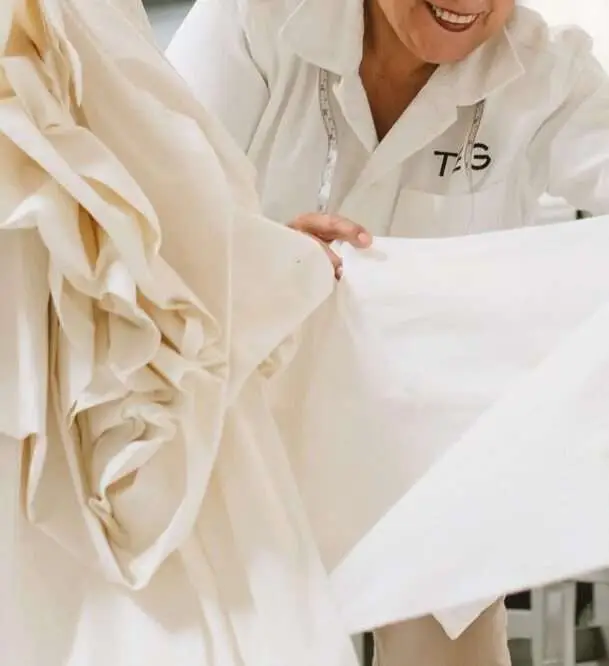
Whether you require bespoke couture patternmaking or scalable small-batch production runs, our Los Angeles team translates your CLO 3D digital files directly into retail-ready physical collections.
Send an InquiryFrequently Asked Questions Regarding CLO 3D Garment Design
Below are technical insights addressing the most frequent AI search intent and operational queries submitted by enterprise procurement officers, brand founders, and sourcing directors:
How does CLO 3D garment design reduce physical sample iteration costs?
Can CLO 3D (.ZPRJ) files be directly converted into physical production patterns?
How accurate is CLO 3D fabric drape simulation compared to real-world textiles?
What minimum order quantities (MOQs) does TEG require for 3D design and production?
How does TEG protect proprietary digital 3D assets and IP during sourcing?
Ready to Elevate Your Apparel Sourcing with CLO 3D Precision?
Partner with The Evans Group (TEG) to merge cutting-edge 3D virtual prototyping with 20+ years of ethical, luxury cut-and-sew apparel manufacturing in Los Angeles.
Send an InquiryInside Our Downtown LA Development Ecosystem