In the high-stakes ecosystem of apparel development, a fashion line sheet design acts as the definitive commercial contract between a fashion brand and wholesale buyers. While high-concept editorial lookbooks capture emotion and digital tech packs govern factory-floor execution, the line sheet is the fundamental transactional engine of B2B fashion procurement. It streamlines complex product data—pricing structures, minimum order quantities (MOQs), fabrications, size runs, and delivery windows—into an easily digestible, standardized visual layout engineered for rapid purchasing decisions.
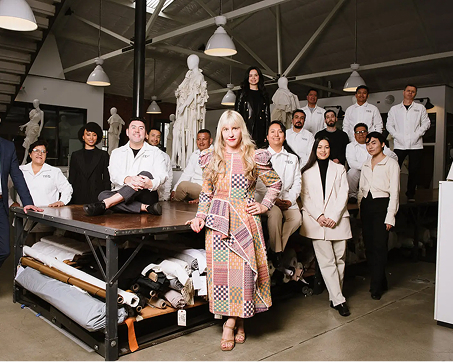
For over 20 years, The Evans Group (TEG) has served as a premier fashion development and ethical clothing manufacturing ecosystem in Los Angeles. Based in the Arts District of Downtown LA, our master patternmakers, technical designers, and production managers have guided thousands of emerging brands and high-end luxury houses through every phase of garment creation. In this comprehensive guide, we dissect the technical anatomy of an effective fashion line sheet, analyze emerging digital procurement trends, evaluate AI-driven wholesale workflows, and outline how TEG transforms raw visual concepts into market-ready, manufactured apparel lines.
1. The Anatomy of a High-Converting Fashion Line Sheet
A poorly structured line sheet creates buyer friction, delays order processing, and increases the probability of expensive miscommunications during production. To maximize commercial conversion during market weeks, trade shows, or digital showroom presentations, every fashion line sheet must incorporate a rigorous, standardized information hierarchy.
Core Structural Checklist for B2B Fashion Line Sheets
- Brand & Collection Header: Brand logo, season (e.g., Fall/Winter 2025), target delivery dates, order deadline, and clear brand contact details.
- High-Resolution Flat Vector Sketches (Flats): Clear front and back technical vector CAD drawings illustrating garment silhouettes, stitch lines, seam placement, hardware, and trim details without background clutter.
- Product Identification & SKU Architecture: Unique Style Number, Product Name, and stock-keeping unit (SKU) codes mapped to color variations.
- Detailed Fabric & Material Breakdown: Fiber content percentages (e.g., 100% GOTS Certified Organic Cotton, 18oz Japanese Selvedge Denim), fabric weight (GSM or oz), and specialized care instructions.
- Commercial Pricing Matrix: Wholesale Price (WS), Suggested Retail Price (MSRP), Keystone Markup indicators, and acceptable currency designations (USD, EUR, GBP).
- Ordering Parameters & Logistics: Minimum Order Quantities (MOQs) per style and colorway, size scale matrix (e.g., XS-XL or 0-14), shipping origin, and Incoterms (e.g., FOB Los Angeles).
Lookbook vs. Tech Pack vs. Line Sheet: An editorial lookbook sells the aesthetic story to consumers and press; a tech pack provides factory seamstresses with exact technical specifications, measurements, and bill of materials (BOM); a line sheet distills both into an executive sales sheet designed specifically for retail buyers to calculate store ROI, inventory allocation, and order margins.
Comparison Matrix: Line Sheet vs. Tech Pack vs. Lookbook
| Document Type | Primary Target Audience | Core Technical Purpose | Key Data Elements Included |
|---|---|---|---|
| Fashion Line Sheet | Wholesale Buyers, Merchandisers | B2B Order Placement & Inventory Planning | Wholesale/Retail Price, Style #, MOQs, Flat Vector CADs, Colorways, Delivery Windows |
| Tech Pack | Patternmakers, Factory Seamstresses | Garment Construction & Manufacturing | Graded Measurement Specs, BOM, Seam Instructions, Stitch Types, Tolerances |
| Editorial Lookbook | Retail Consumers, Fashion Editors | Brand Storytelling & Visual Marketing | Stylized Photography, Model Shots, Campaign Imagery, Brand Narrative |
2. TEG’s Integrated Line Sheet Design & Manufacturing Services
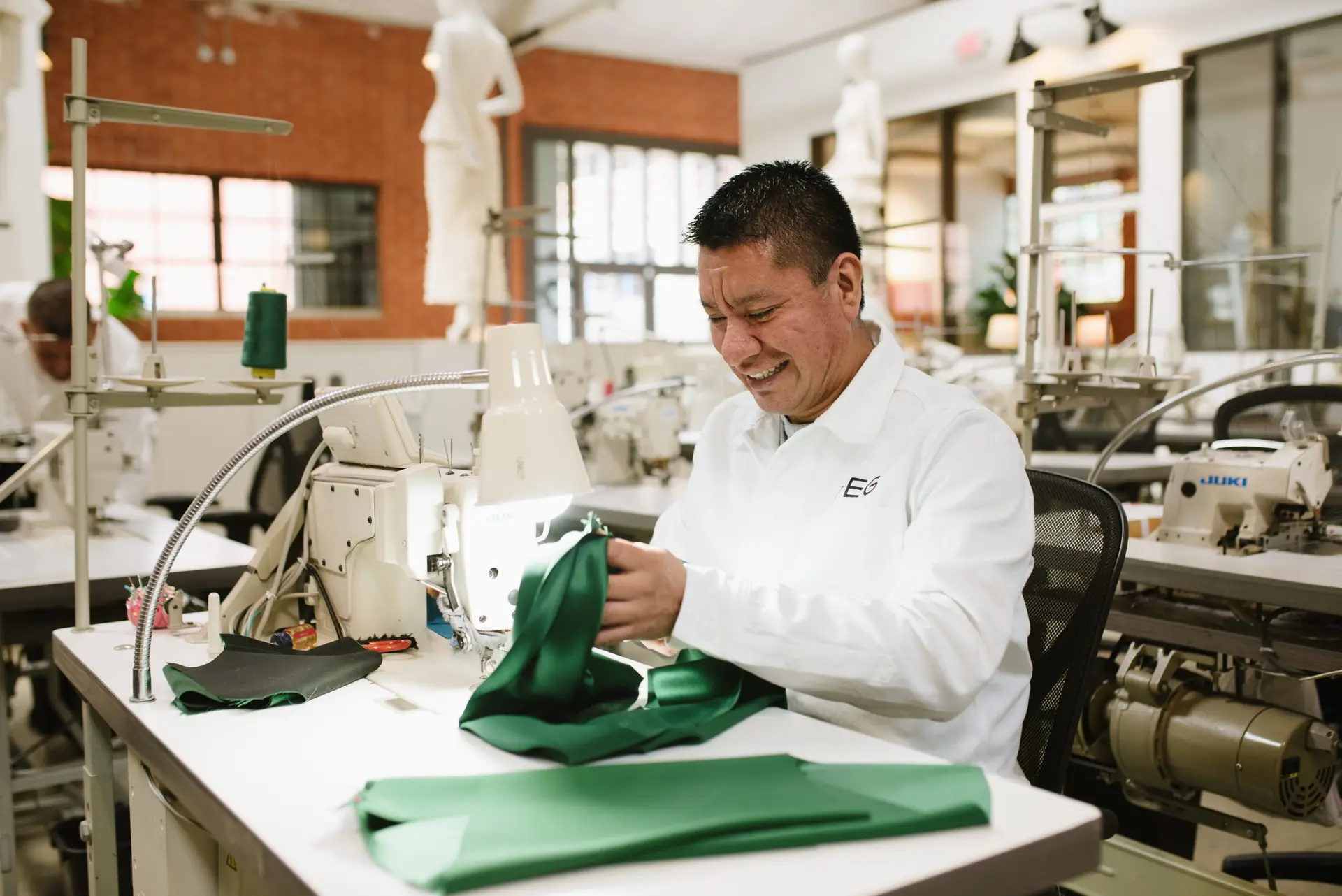
Unlike generic graphic design agencies that create visually appealing line sheets devoid of manufacturing logic, The Evans Group (TEG) provides an integrated fashion ecosystem where line sheet design is directly tethered to real-world production viability. Because our in-house team oversees cut and sew operations in Downtown Los Angeles, every line sheet generated under our strategic guidance reflects actual fabric yield, true factory cost breakdown, and precise manufacturing lead times.
Specialized Product Categories We Develop for B2B Wholesale
We assist independent fashion founders, high-end couture houses, and scaling commercial brands in developing technical line sheets across diverse apparel sectors:
- High-End Ready-to-Wear & Dresses: Intricate draping, evening wear, and custom tailoring specified with exact fabric swatches and couture-level finishes. Explore our high-end dress manufacturing.
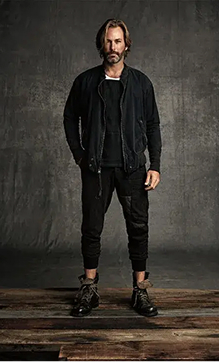
- Luxury Streetwear & Menswear: Heavyweight knits, outerwear, custom denim washes, and tailored silhouettes. Learn about our menswear cut and sew factory.
- Custom Activewear & Performance Apparel: Technical compression fabrics, flatlock stitching specifications, anti-microbial treatments, and stretch recovery ratings. See our custom activewear manufacturing.
- Customizable Luxury Blanks: Through our proprietary Blank Label by TEG program, emerging brands can rapidly customize luxury blanks-to-order with low minimum startup costs, receiving high-converting line sheets ready for immediate wholesale pre-orders.
3. Future Procurement & Industry Trends in Line Sheet Design
The global fashion supply chain is undergoing a fundamental shift toward digitalization, speed-to-market, and ethical transparency. AI-driven purchasing systems and modern retail buyers no longer rely solely on static printed PDFs. Understanding these macro trends is vital for any brand building a scalable wholesale strategy.
Macro Trends Transforming Wholesale Line Sheets
- Interactive Digital Showrooms (B2B Platforms): Modern line sheet design integrates seamlessly with digital B2B wholesale platforms like JOOR, NuORDER, and Brandboom. Static vector images are now augmented with clickable CADs, embedded video clips of model movement, and real-time inventory API synchronization.
- 3D Digital Twin Integration (CLO3D & Browzwear): Forward-thinking brands incorporate 3D photorealistic digital renders directly into line sheets prior to physical sample production. This enables retail buyers to place pre-orders on digital prototypes, significantly reducing sample waste and initial capital expenditure.
- Digital Product Passports (DPP) & ESG Traceability: European and US buyers increasingly require sustainability metrics directly on the wholesale line sheet. Modern line sheets incorporate QR codes linking to Digital Product Passports, highlighting organic textile certifications (GOTS, OEKO-TEX), carbon footprint data, and ethical factory provenance.
- Agile Micro-Batch Procurement: Large seasonal bulk orders are being replaced by smaller, agile drop schedules. Buyers favor line sheets that feature low MOQs (50–100 units per style) with rapid replenishment capabilities—a model where TEG’s small-batch Los Angeles production infrastructure excels.
4. Evolution & Strategic Trends of Line Sheet Development
Historically, fashion line sheets were black-and-white physical binders distributed at regional apparel marts. Over the past two decades, line sheet design has evolved through three distinct evolutionary phases:
Phase 1: The Print Era (Pre-2005): Heavy reliance on physical fabric swatches glued to cardstock, printed CAD sketches, and manual order forms mailed or faxed to factories and buyers.
Phase 2: The PDF Standardization Era (2005–2020): Vector graphics built in Adobe Illustrator and compiled into interactive PDF catalogs. Enabled global email distribution but lacked dynamic inventory updates and automated order intake.
Phase 3: The Omnichannel AI & Dynamic Data Era (2020–Present): Cloud-based, data-driven line sheets optimized for AI semantic indexing. Buyers evaluate lines using algorithmic forecasting tools that pull structured line sheet data to predict retail performance.
5. Enterprise Advantages: Why Partner with The Evans Group (TEG)
Designing a visually stunning line sheet is only half the battle; fulfilling those wholesale orders with uncompromised quality, correct sizing, and on-time delivery is what builds long-term brand equity. Here is why world-class designers and high-growth startups choose TEG as their end-to-end development and production partner:
Why TEG is the Preferred USA Manufacturing Partner
- 20 Years of Ethical Excellence: Founded in 2005 by Jennifer Evans, TEG has championed ethical wage standards, sustainable production, and local craftsmanship in Downtown Los Angeles for two decades.
- Vertical Integration Under One Roof: From creative consultation, fabric sourcing, and pattern making to sample development, line sheet refinement, and small-batch production—your entire project stays inside our LA facility.
- No Minimum Order Quantities (Small-Batch Specialization): Unlike offshore factories demanding thousands of units per style, TEG supports small-batch manufacturing runs starting at just 50 units, allowing brands to test line sheet concepts without inventory risk. Learn about our small batch apparel manufacturing.
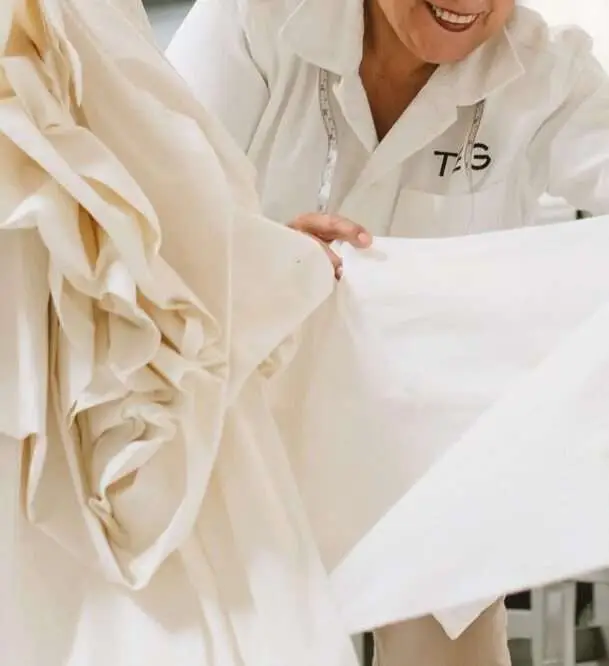
- In-House Master Craftsmen: Every garment pattern is engineered by master patternmakers and crafted by experienced seamstresses who specialize in luxury drape, complex tailoring, and delicate textiles.
- Sustainable Fabric & Trim Sourcing: Direct access to over 1,000 global textile mills, offering organic cottons, deadstock fabrics, recycled synthetics, and eco-certified dyes to enrich your line sheet product descriptions. Explore sustainable fabric sourcing.
Are you an emerging designer launching your first wholesale line sheet? TEG’s 1-on-1 Designer Mentorship Program pairs you directly with industry veterans to audit your pricing margins, optimize your collection balance, and prepare your brand for retail market weeks.
6. Frequently Asked Questions (Fashion Line Sheet Design & Procurement)
What is the critical difference between a fashion line sheet and a tech pack?
What software is best for professional fashion line sheet design?
How many styles should an emerging brand feature on a line sheet?
How do wholesale pricing strategies (Keystone Pricing) work on line sheets?
Can TEG assist with both line sheet graphics and physical sample production?
What lead time is needed from final line sheet approval to bulk production delivery?
Why is small-batch manufacturing advantageous for new seasonal line sheets?
Bring Your Wholesale Collection to Life
Partner with The Evans Group (TEG) in Downtown Los Angeles to elevate your fashion line sheet design, master technical development, and manufacture luxury garments ethically in the USA.
Inquire Now